Short Answer
When embarking on the journey of orthodontic treatment, many individuals seek to understand the dos and don’ts that accompany their new braces. A common query arises, particularly among the younger crowd: can you chew gum with braces? This seemingly simple question merits an expansive discussion, as it intertwines with aspects of oral health, dental care, and the very fabric of orthodontic adjustments. Herein, we delve deep into the implications, recommendations, and alternatives regarding chewing gum while donning braces.
Understanding Braces and Their Functionality
Braces are sophisticated dental apparatuses designed to correct misaligned teeth and jaws, utilising brackets, wires, and sometimes bands. The primary goal of braces is to apply continuous pressure over time, guiding the teeth into a more favourable position. This mechanism of movement, however, can be disrupted by certain habits and foods. It is in this context that the question of chewing gum arises, as it can potentially interfere with the intricate system that orthodontists have crafted to achieve optimal results.
The Concern: Why Chewing Gum is Discouraged
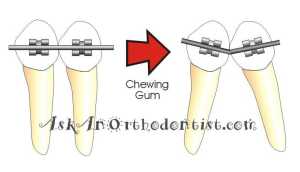
The primary reason orthodontists advise against chewing gum during braces treatment is the potential for damage. Traditional chewing gum can adhere to the brackets and wires, creating a sticky scenario that may hinder proper adjustments. The gum can entangle between wires, leading to discomfort or even damaging components of the braces. This can result in extended treatment times, an undesirable outcome for any patient eagerly anticipating their new smile.
Moreover, the chewing action itself poses an additional risk. The force exerted on the braces can cause brackets to dislodge, or worse, lead to misalignment in the structure designed to hold the teeth in place. This could necessitate emergency visits to the orthodontist, thereby prolonging an already extensive treatment period.
Are All Gums Created Equal?
With the myriad of gum varieties available in today’s market, it is crucial to differentiate between them. Sugar-free gums, specifically those devoid of sticky ingredients, present a less hazardous option. However, even these are often not recommended due to their capacity to provoke excessive saliva production and cause other dental issues. The nuances of various gum types highlight the importance of consulting an orthodontist before making any decisions regarding gum consumption.
Orthodontist Recommendations
Orthodontists recommend steering clear of all types of gum during the treatment phase. Instead, they advocate for alternatives that maintain oral hygiene without jeopardising the structural integrity of the braces. Patients are encouraged to consider options such as:
- Soft Fruits: Chewing on bananas or ripe pears can satisfy the desire to chew without posing a risk to orthodontic components.
- Vegetable Sticks: Crunchy options like cucumbers or carrots are excellent substitutes that can keep the mouth busy and provide essential nutrients.
- Orthodontic Moulds: Some companies have developed specially designed chewable tools that provide an outlet for chewing without the risks associated with gum.
The Benefits of Avoiding Gum
Abstaining from gum while wearing braces comes with a plethora of advantages that extend beyond mere maintenance of the equipment. For instance, avoiding gum can significantly lower the risk of plaque build-up that can occur with sticky substances lodged in the braces. This, in turn, reduces the likelihood of cavities and promotes better overall oral health.
Additionally, the avoidance of gum can enhance the overall experience of wearing braces. Many patients report that staying clear of such challenging foods leads to fewer dental visits and a smoother journey through the orthodontic process. Not only does this foster a sense of discipline and commitment, but it also aligns with the ultimate goal: achieving a healthy, beautiful smile.
Listening to Your Orthodontist
Ultimately, the guiding principle should always be to adhere to your orthodontist’s advice. Their recommendations stem from extensive knowledge and experience with countless cases similar to your own. Engaging in open dialogue with your orthodontist about dietary choices, including chewing gum, will ensure that you are taking the necessary steps to facilitate your treatment’s success.
Conclusion: The Path to a Gleaming Smile
In conclusion, while the inclination to indulge in a piece of gum may be tempting for those with braces, understanding the ramifications it carries is essential. The risks associated with chewing gum far outweigh any momentary satisfaction it may provide. With the guidance of an orthodontist and a commitment to adhering to their advice, patients can navigate the challenges of braces with grace and diligence, ultimately leading to the radiant smile they have long desired. Embracing a disciplined approach towards oral care during orthodontic treatment will pave the way for a successful outcome, allowing individuals to enjoy their new smiles for years to come.
FAQ
Can you chew gum if you have braces?
Chewing gum is generally discouraged while wearing braces due to the risk of damage to the braces and potential dental issues.
What types of gum are safer for braces?
While sugar-free gums may seem less harmful, orthodontists recommend avoiding all types of gum during treatment.
What should I eat if I can't chew gum?
Consider alternatives like soft fruits, vegetable sticks, or orthodontic chewable tools.
FAQ
Can you chew gum if you have braces?
Chewing gum is generally discouraged while wearing braces due to the risk of damage to the braces and potential dental issues.
What types of gum are safer for braces?
While sugar-free gums may seem less harmful, orthodontists recommend avoiding all types of gum during treatment.
What should I eat if I can't chew gum?
Consider alternatives like soft fruits, vegetable sticks, or orthodontic chewable tools.


Leave a Reply