Short Answer
Winning full custody of a child is akin to embarking on a complex journey through uncharted waters. It requires not only a robust legal strategy but also a keen understanding of the emotional landscape surrounding the family. The quest for custody demands meticulous preparation, unwavering resolve, and an artful blend of empathy and pragmatism. In this guide, we shall navigate the intricate path to securing full custody, unveiling the essential elements and strategies that can bolster your case.
Understanding Custody Types
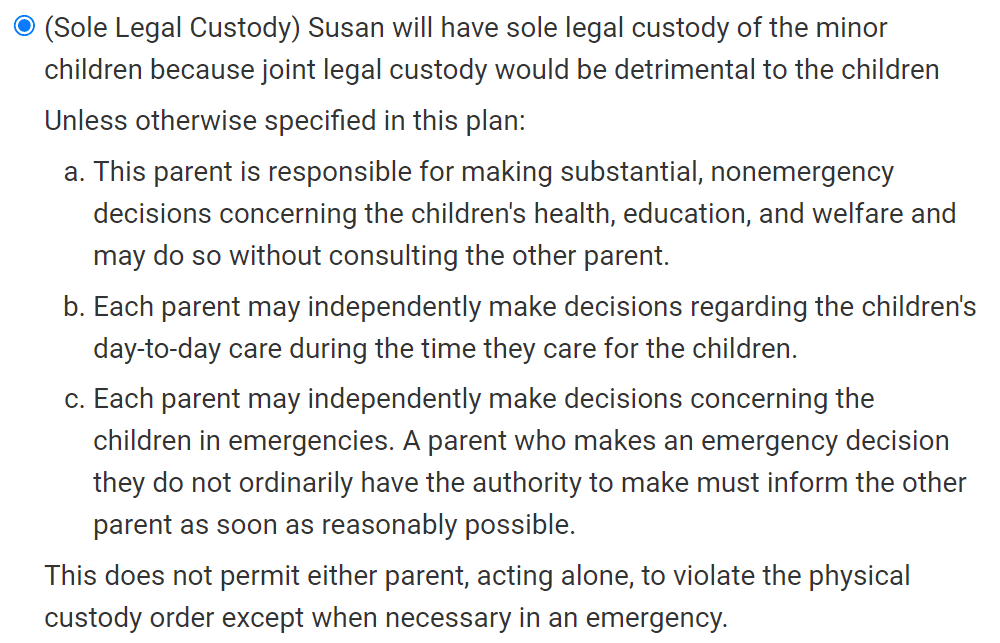
Before plunging into the depths of custody battles, it is paramount to comprehend the various custody types. In its essence, custody can be fashioned into two primary categories: legal custody and physical custody. Legal custody refers to the right to make important decisions about a child’s upbringing, including education, health care, and religious affiliation. By contrast, physical custody concerns where the child resides. Winning full custody often implies attaining sole legal and physical custody, which grants comprehensive authority over the child’s life, akin to being the captain of a ship navigating turbulent seas.
Establishing Your Intent and Motivation
Every successful voyage begins with a clear intention. Articulate your reasons for seeking full custody. Whether they lie in the child’s best interests or stem from concerns about the other parent’s conduct, clarity will guide your legal strategy. It’s crucial to acknowledge that courts tend to favour arrangements that promote stability and security for the child. Therefore, understanding and conveying your motivations persuasively is essential; emotions like love and concern can be forceful allies in your legal arsenal.
Gathering Compelling Evidence
A treasure trove of evidence is indispensable in substantiating your claims in court. This evidence may manifest in various forms, including:
- Documentation: Collect relevant documents that can demonstrate your involvement in your child’s life, including school reports, medical records, and evidence of your ability to meet their needs.
- Witness Testimonies: Statements from friends, family, or educators attesting to your parenting capabilities can provide a well-rounded perspective on your suitability as a custodial parent.
- Photographic Evidence: Images capturing moments of bonding or participation in significant activities can vividly illustrate your commitment and involvement.
Every piece of evidence acts as a stone in the foundation of your case; collectively, they fortify your position and illustrate your parenting aptitude.
Assessing the Other Parent’s Suitability
Understanding the character and situation of the other parent is crucial in furthering your case. Paint a complete picture by considering aspects such as:
- Substance Abuse: If the other parent struggles with addiction, meticulously documenting instances and their impact on parenting capabilities can be pivotal.
- Criminal History: Background checks can unveil elements that may impact a parent’s responsibilities. These become significant factors when evaluating custody.
- Emotional Stability: Assess the other parent’s emotional and mental health, recognizing how these factors may influence their parenting style and the child’s overall environment.
Yet, it is critical to approach this assessment judiciously. Presenting evidence must be conducted with respect and tact, ensuring that the focus remains on what is best for the child.
Collaborating with Legal Professionals
Forging alliances with legal professionals is akin to enlisting a skilled crew for your voyage. A custody attorney with expertise in family law can provide invaluable guidance. They’ll help craft your strategy, prepare documents, and offer vital insights into courtroom dynamics. Moreover, they can offer a realistic appraisal of your case, enabling you to anticipate various outcomes and prepare accordingly.
Consider Mediation and Alternative Dispute Resolution
Litigation is often the tempestuous, looming storm in custody battles, but mediation can serve as a tranquil navigational alternative. Mediation involves both parents discussing custody arrangements with the assistance of a neutral third party. This collaborative approach encourages compromise and often leads to a resolution that respects both parents’ rights and promotes the child’s best interests. Exploring this route can save emotional turmoil, reduce costs, and provide a forum for addressing differences amicably.
Preparing for Court
As you ready yourself for the courtroom arena, preparation is paramount. Dress appropriately, as your appearance can influence perceptions. Understand the courtroom’s procedures and rules, ensuring that you are familiar with how to present your case. Organise your evidence meticulously, and prepare to articulate your parenting philosophy clearly. Reflection upon potential questions and scenarios can bolster your confidence, ensuring that you present yourself as a competent and caring custodian.
Highlighting the Child’s Best Interests
Above all, the paramount consideration in custody cases is the child’s best interests. Courts strive to ensure children grow up in secure, nurturing environments. Highlight the factors that reflect positively on the child’s welfare, such as stability, love, education, and safety. Employ anecdotal evidence, if applicable, to convey how your custody will benefit their development. Think of your arguments as a sturdy vessel, equipped to weather any storm, driven by the unwavering force of parental love.
Conclusion: The Path Forward
Winning full custody is not merely a legal battle; it is an emotional odyssey. Success hinges upon a combination of strategic planning, comprehensive evidence, and unwavering commitment to the child’s well-being. As you navigate the complexities of family law, remember that every step taken should echo the aspiration of fostering a nurturing environment for your child. With diligence and determination, the horizon can shift from uncertainty to a promising new chapter for you and your child.
FAQ
What is full custody?
Full custody means that one parent has both legal and physical custody of the child, allowing them to make all important decisions regarding the child’s upbringing.
What evidence is needed to win full custody?
Compelling evidence includes documentation of your involvement in the child’s life, witness testimonies, and any evidence of the other parent’s inability to provide a stable environment.
How can mediation help in custody disputes?
Mediation allows both parents to discuss custody arrangements with a neutral third party, promoting compromise and often leading to mutually beneficial resolutions.


Leave a Reply