Short Answer
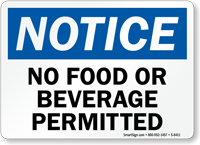
When navigating the myriad of regulations governing public and private spaces, one symbol stands out with remarkable clarity: the “No Food or Beverage” sign. Namely, it serves a multitude of critical functions in diverse environments, from commercial establishments to educational institutions and beyond. The implications of these signs are profound, as they guide behaviour, ensure compliance, and maintain hygiene standards. This article delves into the meaning, the intrinsic rules surrounding such signage, and the contexts in which they are most commonly employed.
Understanding the meaning behind these signs is essential for interpreting their importance. At its core, a “No Food or Beverage” sign communicates a straightforward message: the consumption of food and drinks is prohibited in that particular area. This simple directive might seem unremarkable, yet it is pivotal for maintaining specific environments where cleanliness, safety, and professionalism are paramount. They can curb the intrusion of unwanted odours, allergens, and pests, all while preserving the integrity of the space one is using. The visual nature of the sign—often featuring a stylised image alongside concise text—ensures that its intention is immediately apparent, making it accessible to a broad audience.
Moreover, the rules governing the placement and usage of “No Food or Beverage” signs can vary somewhat depending on the specific regulations of each locale or establishment. In general, these signs should be strategically affixed in conspicuous locations, easily observable to individuals entering or navigating the area. Their design often adheres to specific formatting guidelines that grant them authority and convey their message unambiguously. To enhance recognition, many designs incorporate universally understood icons, lending them the ability to transcend language barriers.
Notably, the etiquette surrounding these signs can differ depending on cultural contexts and the nature of the location. For instance, an art gallery may enforce a strict no-food policy to preserve its delicate installations, while a corporate office might implement the rule to ensure a clean and professional working environment. Understanding these nuances can foster compliance, as individuals tend to respect the boundaries established by their surroundings when the rationale is clear.

Identifying the most appropriate locations for “No Food or Beverage” signs involves a careful consideration of the functions of a space. Institutions such as libraries and hospitals often utilise these signs extensively. In libraries, where silence and concentration are paramount, the consumption of food and drink may pose a distraction or even create unnecessary mess. Conversely, hospitals utilise such signage to maintain sanitary conditions, preventing the introduction of pathogens that could compromise patient health.
Additionally, many schools endorse these signs within classrooms and laboratories. Within educational contexts, enforcing a no-food policy can minimise the risks of spills, staining, and pest infestations that could disrupt learning environments. In such instances, the presence of a clearly delineated boundary helps to cultivate personal responsibility among students. Enabling young learners to comprehend the rationale behind these constraints is also instrumental in nurturing their respect for communal spaces.
Moreover, in corporate settings, these signs play a crucial role in preserving professionalism. An office environment may thrive on productivity and focus, both of which can be adversely affected by the distractions associated with food and drink consumption. In this scenario, a “No Food or Beverage” sign becomes a non-verbal cue, reinforcing the expectations of decorum and seriousness in the workplace.
The implementation of these signs is not without its challenges, as adherence can vary among different audiences. Beyond mere compliance, fostering an understanding of hygiene and cleanliness practices emphasises broader social responsibilities. Educating individuals about the significance of keeping spaces free from food and drink is essential to cultivate a culture of respect for communal environments. Appropriately addressed, these educational efforts can mitigate a range of issues from pest control to unwanted distractions.
In addition to conventional applications, emerging trends have prompted a reevaluation of these signage practices. For example, outdoor urban environments may implement flexible no-food policies in response to community interests. In parks and recreational areas, designated picnic locations may coincide with zones where food consumption is restricted, thus balancing the desires of different user demographics.
Furthermore, digital signage is becoming increasingly popular in conveying no-food policies. Dynamic displays can seamlessly integrate relevant messages with aesthetic designs that shift with time or audience trends. This modern approach better engages viewers, catering to the needs of diverse populations, particularly in high-traffic environments like shopping malls or transportation hubs.
Beyond practicality and cleanliness, the psychological implications of these signs are noteworthy. They act as reminders of social norms and behavioural expectations, inducing a sense of accountability among individuals. As they navigate professional or public spaces, individuals are reminded of the need to respect the established customs, which in turn fosters a collective understanding and adherence to established protocols.
In summation, the “No Food or Beverage” sign holds a place of importance within various settings, serving to uphold sanitation, professionalism, and social propriety. Its meaning is profound, bearing greater significance than one might initially perceive. As society evolves, so too does the application and interpretation of this critical signage, ensuring that public and private spaces remain conducive to their intended purposes. As such, whether in libraries, laboratories, schools, or the workplace, these signals quietly enhance the everyday interactions and experiences that collectively enrich our communal lives.
FAQ
What does the 'No Food or Beverage' sign mean?
It indicates that the consumption of food and drinks is prohibited in that area to maintain cleanliness and safety.
Where are 'No Food or Beverage' signs commonly used?
They are often found in libraries, hospitals, schools, and corporate offices.
Why is the placement of these signs important?
Strategic placement ensures visibility and adherence to the rules, helping maintain a clean and professional environment.



Leave a Reply