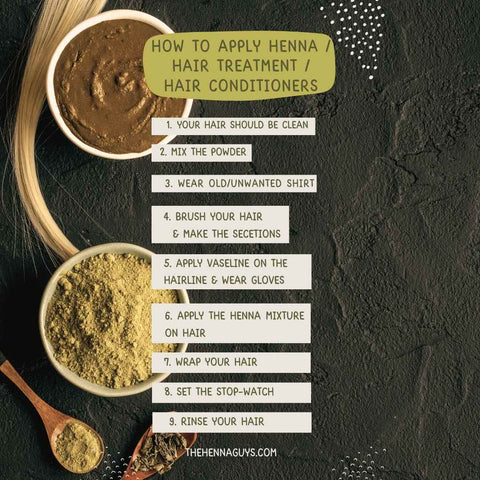
Short Answer
Henna, a natural dye derived from the Lawsonia inermis plant, has been celebrated for centuries in various cultures around the world. Not only is it cherished for its rich, earthy tones, but also for its intricate designs popular at festivals, weddings, and as a form of body art. One of the most frequently asked questions in the henna community is: how long does it take for henna to dry? Understanding the drying process is essential for optimal application and colour retention. This guide aims to elucidate the duration of the drying process, various factors affecting it, and the necessary care to ensure the best results.
When henna is initially applied, it is a moist mixture that can take time to dry completely. Generally, one can expect the henna paste to dry within 1 to 2 hours under normal conditions. However, several variables can influence this timeframe, making it essential to consider your environment and application methods.
Factors Affecting Drying Time
The drying time of henna is contingent on a multitude of factors, including:
- Environmental Conditions: The ambient temperature and humidity levels play significant roles in how quickly henna dries. In warmer and drier climates, henna tends to dry more swiftly, while high humidity and cooler temperatures can extend the drying time considerably.
- Thickness of Application: The thickness of the henna paste directly impacts drying time. A thin, even layer of henna will dry faster compared to a thick globule, which may take several hours or longer to set properly.
- Type of Henna Used: Different henna products may have varying compositions. Pure henna powder mixed with essential oils, for example, can behave differently compared to commercial henna cones laden with chemicals. Natural henna typically dries slower than mixes that contain preservatives or additives.
- Placement on the Body: Areas with more body heat, such as the palms or soles of feet, can facilitate quicker drying. In contrast, cooler areas, like behind the knees or the insides of elbows, may hinder the drying process.
Typical Drying Stages
The drying process of henna can be divided into several distinct stages:
- Initial Drying: Within the first 20 minutes, henna begins to harden on the skin’s surface. This is crucial, as any undue contact during this time can lead to smudging.
- Touch Dry: After approximately 1 hour, the henna becomes touch dry. At this stage, it can withstand light contact but should still not be subjected to water or excessive movement.
- Fully Dried: Generally, after 1 to 2 hours, henna should be fully dried. It will feel crumbly to the touch and can be gently brushed or scraped off, rather than washed.
Post-Drying Care
- Avoid Water: As a rule, water should be kept at bay for at least 24 hours post-application. Moisture can dilute the henna and drastically affect the final colour.
- Seal It In: Consider applying a natural sealant, such as sugar water or lemon juice, after the henna has dried. This assists in locking in the colour and helps the henna to oxidise more effectively.
- Minimise Friction: Activities that involve excessive movement or friction can lead to premature fading of the design. Ensure to wear loose clothing and undertake gentle motions where necessary.
- Timing Your Design: Henna darkens over the first 48 hours. Patience during this period will yield a rich, robust hue, making it worth the wait.
Common Mistakes to Avoid
Even experienced henna enthusiasts can make mistakes that can jeopardise their design. Here are some classic missteps to avoid:
- Touching the Henna: One of the most common errors is touching the henna with wet hands post-application. This can disrupt the design and affect uniformity.
- Using Excessive Water: Many novices are tempted to wash henna off too soon or to use water to aid in removal, which can lead to undesirable results.
- Ignoring the Aftercare: Not taking the recommended aftercare steps can ultimately lead to premature fading and loss of vibrancy.
Conclusion
The drying time of henna should be viewed not just as a mechanical process but as an integral part of achieving the desired aesthetic. Factors such as environmental conditions, thickness, and the type of henna all play a pivotal role in determining the duration of drying. By understanding these elements and practicing proper post-application care, one can unlock the full potential of their henna design. A little patience goes a long way; following these guidelines will ensure a magnificent, enduring testament to the art and tradition of henna.
FAQ
What factors influence henna drying time?
Factors include environmental conditions like temperature and humidity, the thickness of the henna application, the type of henna used, and the placement on the body.
How long does henna take to dry?
Henna generally takes between 1 to 2 hours to dry completely, depending on various influencing factors.
FAQ
What factors influence henna drying time?
Factors include environmental conditions like temperature and humidity, the thickness of the henna application, the type of henna used, and the placement on the body.
How long does henna take to dry?
Henna generally takes between 1 to 2 hours to dry completely, depending on various influencing factors.
Leave a Reply