Short Answer
Dental fillings serve an essential function in restorative dentistry, providing a swift solution to cavities and decay. However, it is not uncommon for patients to leave the dental clinic with a lingering question: “Will a high filling fix itself?” This contemplation often arises after the initial novelty of a new filling wears off and discomfort begins to creep in. Understanding the nuances of dental fillings, particularly high ones, requires a detailed examination of their nature, symptoms associated with them, and the critical moments when professional intervention is warranted.
The Anatomy of a Dental Filling
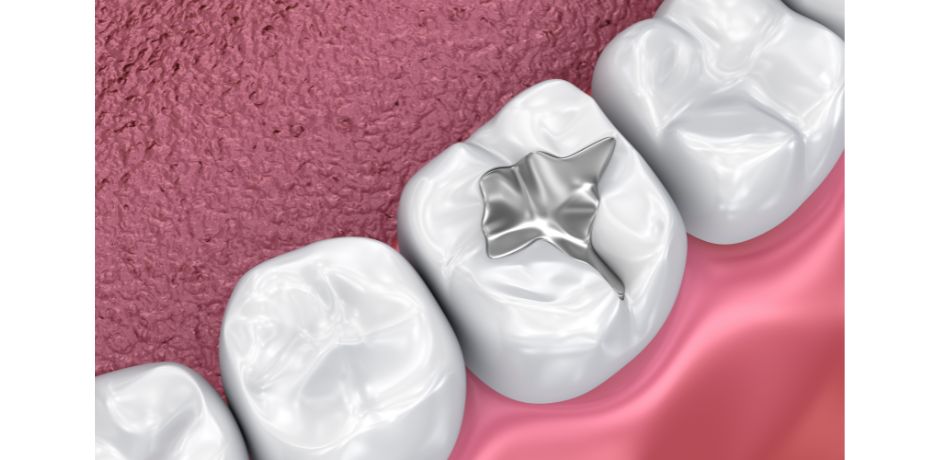
A dental filling is a therapeutic response to tooth decay. The dentist excavates the decayed portion, cleans the area, and fills it with a material that could be amalgam, composite resin, or even gold. The prime objective is not merely to restore structural integrity but also to mitigate any further bacterial invasion. However, once placed, the filling can occasionally be elevated—also referred to as a “high filling.”
What Constitutes a High Filling?

A high filling occurs when the material crowns the tooth surface more than it should, leading to discomfort when biting down. This imperfection can arise from several factors: an improper mould during placement, excessive material applied, or changes in bite alignment. It may leave patients puzzled—should this anomaly be left untouched, or will time and tolerance lead to self-correction?
Initial Reactions and Discomfort
Following the treatment, it is natural for reactions to arise. High fillings can cause undue pressure on the opposing teeth, resulting in tooth sensitivity and unresolved pain. Many opt to endure the sensation, underpinned by the assumption that it might subside with time. However, the transient nature of discomfort following a dental procedure could mislead patients into believing the situation will ameliorate on its own.
Common Symptoms of a High Filling
- Discomfort While Biting: A primary indicator of a high filling is an uncomfortable sensation or pain while chewing. This could be fleeting at first but may escalate.
- Tooth Sensitivity: Heightened sensitivity to hot, cold, and pressure may become apparent, suggesting that the filling’s height is interfering with natural bite alignment.
- Jaw Pain: Consistent strain from an uneven bite can lead to long-term jaw discomfort or even migraines, an outcome of the body’s attempt to adjust to the imbalance.
Do High Fillings Self-Correct?
The multifaceted nature of physiological healing often leads individuals to ponder if the body can rectify issues like a high filling spontaneously. In reality, the process rarely self-corrects. The tooth and surrounding tissues do not possess mechanisms that facilitate the re-contouring of dental materials. Whereas teeth might adapt to slight irregularities through jaw movement or soft tissue adjustment, significant disparities typically demand professional attention.
Consequences of Ignoring the Issue
Neglecting a high filling might have detrimental outcomes. Over time, patients may find themselves grappling with chronic pain, deteriorating dental health, or even broader issues such as periodontal disease stemming from irregularity in bite mechanics. The repercussions can extend far beyond discomfort; they may entail costly interventions down the line. Thus, it becomes imperative to consider potential risks versus the benefits of prompt dental evaluation.
When to See Your Dentist
Identifying the opportune moment to consult a dentist can be pivotal in preserving oral health and averting further complications. Here are some indicators that warrant a professional assessment:
- Persistent Pain: If discomfort intensifies or persists beyond a week or two following the filling, professional advice is essential.
- Inability to Chew: Should the pain hinder normal chewing function, an evaluation should be undertaken as it signifies that the filling is disrupting normal bite dynamics.
- Development of New Symptoms: The appearance of new symptoms such as swelling, recurring headaches, or increased sensitivity should prompt an immediate visit to your dental practitioner.
What to Expect During Your Visit
During a dental appointment, the dentist will typically conduct a thorough examination, often employing diagnostic tools such as X-rays to ascertain the underlying issues. They might evaluate the height of the filling and assess your bite through various methods, including articulating paper to mark contact points. If a high filling is indeed the culprit, the dentist will make appropriate adjustments to restore comfort and balance.
Final Thoughts
Dental fillings, while vital in addressing immediate restorative needs, should be monitored vigilantly post-application. A high filling is unlikely to fix itself and can lead to a series of secondary complications if left untreated. Thus, when in doubt, trusting your instincts and seeking professional advice is always the best course of action for ensuring long-term dental health and comfort.
FAQ
What is a high dental filling?
A high dental filling occurs when the filling material is positioned too high on the tooth, causing discomfort when biting.
Can a high filling fix itself?
No, a high filling is unlikely to correct itself and may require dental intervention to adjust.
What symptoms indicate a high filling?
Symptoms include discomfort while biting, tooth sensitivity, and jaw pain.
When should I see a dentist for a high filling?
You should consult a dentist if pain persists, chewing becomes difficult, or new symptoms develop.

Leave a Reply