Short Answer
Snus, a smokeless tobacco product originating from Sweden, has gained traction in various parts of the globe as a perceived safer alternative to traditional smoking. However, it remains imperative to understand the implications when inadvertently swallowing this substance. This article delves into the health risks associated with swallowing snus, addressing both immediate and long-term effects, the pharmacological components within snus, and the physiological responses elicited by its ingestion.
First and foremost, it is essential to comprehend what snus comprises. Typically manufactured from ground tobacco, snus is infused with a blend of flavouring agents, salts, and various flavourings. Unlike conventional chewing tobacco, snus does not necessitate spitting, as it is designed to be placed under the upper lip. This unique mode of consumption prompts the absorption of nicotine through the oral mucosa. The question remains, what happens when this product is swallowed?
Upon ingestion, snus interacts with the human digestive system in several concerning ways. Initially, the nicotine content, which can be substantially higher than in typical cigarettes, enters the bloodstream via the digestive tract. This can lead to acute nicotine poisoning, marked by symptoms such as nausea, dizziness, increased heart rate, and in severe instances, respiratory distress may ensue. The degree of severity is influenced by the quantity of snus consumed, individual tolerance to nicotine, and pre-existing health conditions.
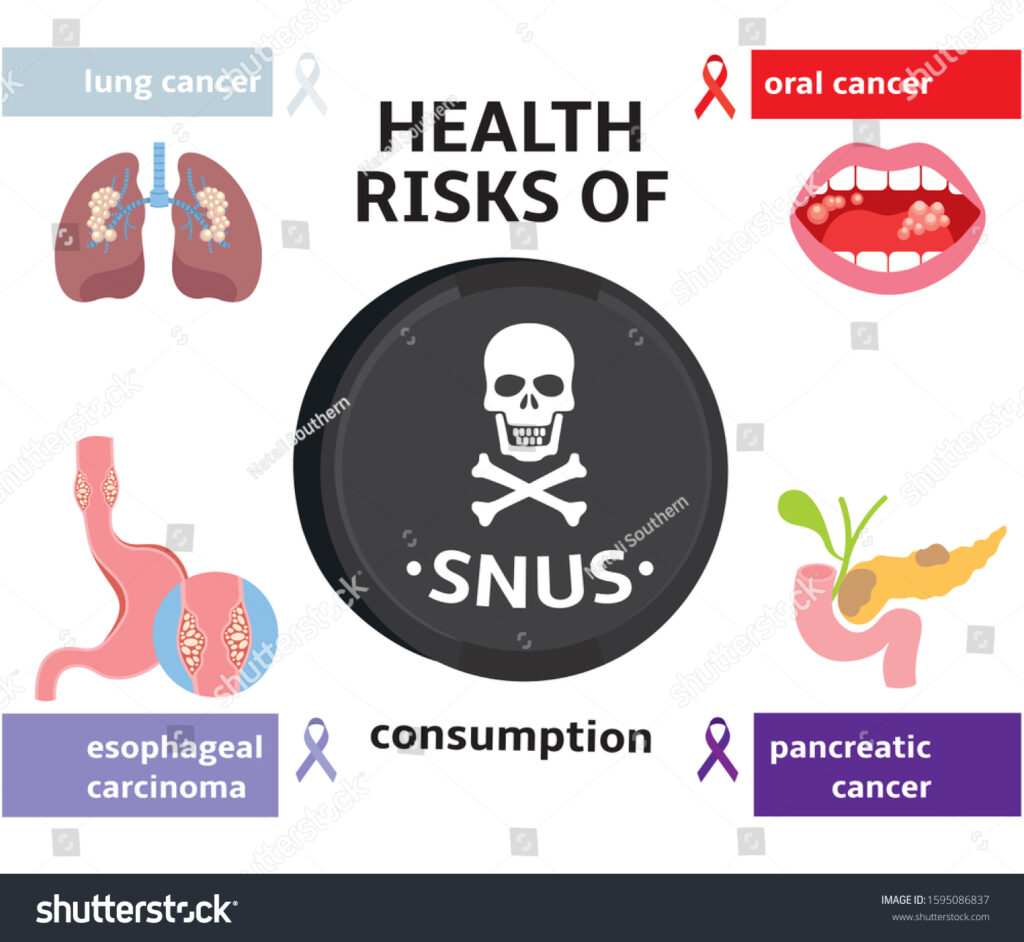
The physiological implications of swallowing snus extend beyond the immediate effects of nicotine. Various toxic substances found in tobacco can also be absorbed through the gastrointestinal tract. Among these, nitrosamines, which are carcinogenic compounds, pose significant risks when ingested. Long-term exposure to these substances may contribute to the development of various types of cancer, including oral, throat, and gastrointestinal cancers. Consequently, this lays bare the potential for grave health repercussions over time.
Additionally, snus contains high levels of salts, which are used to enhance flavour and preserve freshness. When swallowed, these salts can cause discomfort to the stomach lining, leading to gastric irritation and increased acid production. Individuals may experience symptoms akin to acid reflux or gastroesophageal reflux disease (GERD), manifesting as heartburn and regurgitation. Chronic exposure to the salts and the resultant gastric irritation can culminate in more severe gastrointestinal issues, warranting medical attention.
Swallowing snus can further aggravate existing health conditions. For individuals with pre-existing heart conditions, the rapid influx of nicotine can induce adrenaline surges, escalating heart rate and elevating blood pressure. People with a history of gastrointestinal disorders, such as ulcers or inflammatory bowel disease, may find their conditions exacerbated by the mucosal irritation induced by swallowed snus. Hence, the act of swallowing snus may have cascading effects on overall health.
It is imperative to consider the demographic of individuals who might be more at risk when consuming snus. Adolescents and young adults, who may be experimenting with tobacco products, are particularly susceptible to the adverse effects of nicotine ingestion. Early exposure can lead to heightened risks of developing nicotine dependence and subsequent addiction. Furthermore, the social landscape surrounding snus can contribute to misinformed perceptions regarding its safety, leading to accidental swallowing, particularly in less informed youth.
Mental health considerations are equally pertinent when addressing the consequences of swallowing snus. The rapid absorption of nicotine can lead to acute symptomatology, including anxiety and agitation. After the initial euphoric wave associated with nicotine intake, individuals may experience a counterintuitive feeling as blood nicotine levels decline. This fluctuation can trigger withdrawal-like symptoms, perpetuating a cycle of consumption that exacerbates dependency issues.
Beyond the personal health implications, the broader societal impacts of snus consumption warrant thorough examination. The propensity for increased use, coupled with misconceptions about its safety, fosters an environment where snus could become a gateway to more harmful tobacco products. The potential for normalising tobacco use within social circles can engender a dangerous paradigm for curious adolescents and young adults, inadvertently perpetuating the cycle of tobacco-related illnesses.
For individuals who find themselves struggling with the effects of swallowed snus—be it nicotine poisoning or gastrointestinal distress—immediate medical consultation is encouraged. Healthcare professionals can provide vital support and guidance, enabling individuals to mitigate risks and construct a healthier lifestyle. Additionally, behavioural interventions focused on tobacco cessation can be instrumental in fostering a tobacco-free lifestyle.
Ultimately, the act of swallowing snus is fraught with considerable health risks, meriting vigilant awareness and education. It is imperative for users to fully understand the content of the products they consume and to recognise the potential ramifications associated with their ingestion. Emphasising informed decision-making in tobacco use is crucial for promoting individual health and well-being, as well as encouraging broader public health initiatives.
In conclusion, while snus may be positioned as a less harmful alternative to traditional tobacco consumption, the health risks associated with swallowing this product can be severe. Individuals must be cognizant of the immediate and long-term consequences of such actions, and healthcare providers should prioritise educational outreach to mitigate these risks. Awareness and understanding can pave the way for safer practices and ultimately contribute to healthier communities.
FAQ
What is snus?
Snus is a smokeless tobacco product that originated in Sweden, designed to be placed under the upper lip for nicotine absorption.
What happens if you swallow snus?
Swallowing snus can result in nicotine poisoning, gastrointestinal issues, and long-term health risks such as cancer.
Who is at risk when swallowing snus?
Adolescents and young adults experimenting with tobacco products are particularly at risk due to their susceptibility to nicotine.




Leave a Reply