Short Answer
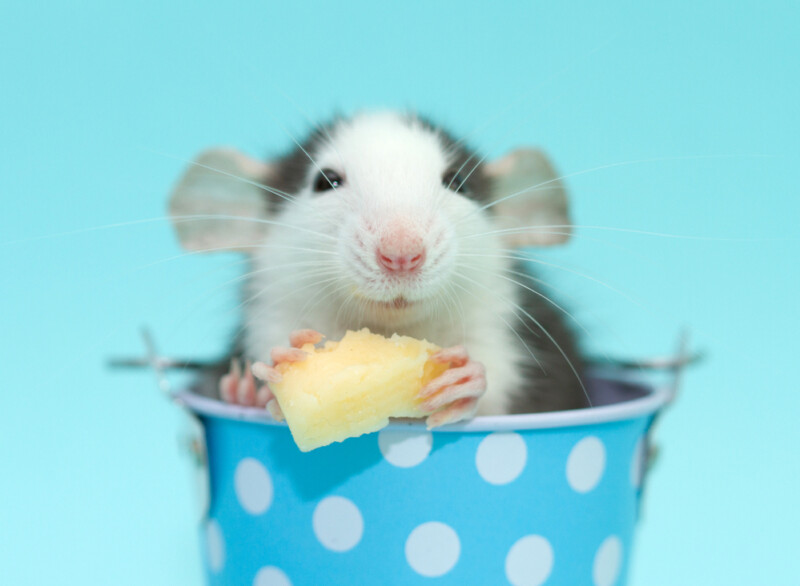
Rats have long captivated our imagination, entwined in the cultural lore of human society. Perhaps few tales are so vivid or enduring as the image of a rat pilfering a piece of cheese. This whimsical portrayal has given rise to an age-old query: do rats truly eat cheese? This exploration delves into the veracity of this notion, sifting through popular beliefs, scientific perspectives, and the reasons behind our fascination with these remarkable creatures.
The image of rats, particularly in popular media, often depicts them as unapologetic cheese thieves. Whether in cartoons or live-action films, their insatiable appetite for this dairy delight paints a humorous yet exaggerated portrait. However, the veracity of such depictions has been widely debated. While it is true that rats can consume cheese, it doesn’t constitute a substantial portion of their diet nor is it a primary preference.
To grasp why this myth has flourished, it’s crucial to traverse the annals of history. The association between rats and cheese may stem from numerous centuries prior when these rodents thrived in proximity to human settlements. As people began to store various food products, particularly grains and dairy, rats found themselves drawn to these abundant sources of sustenance. The energetic presence of cheese, with its odour and texture, undoubtedly provided an allure that caught the attention of these cunning creatures.
However, to assign cheese as a staple in their diet would be an egregious oversimplification. Rodentia, the order to which rats belong, generally lean towards a more eclectic diet. They primarily consume grains, fruits, vegetables, and even certain meats when the opportunity arises. Their omnivorous proclivities mean they possess a taste for diverse fare. Current scientific investigations into rodent diets have expounded upon this idea, illustrating that cheese does not hold a premier status as a dietary staple. Instead, it might merely constitute an occasional indulgence.
Many rat enthusiasts and researchers have pointed to an intriguing fact: rats are lactose intolerant. This biological characteristic implies that while they may occasionally nibble on cheese, the ramifications can be less than pleasant. The enzymes necessary for the digestion of lactose diminish after weaning, leading many rats to experience discomfort after consuming dairy products. Thus, it becomes evident that while the image of the cheese-loving rat permeates our society, it doesn’t align with their physiological realities.
But why, despite these truths, do we continue to romanticise this stereotype? There are several reasons. Firstly, the image of a rat and cheese taps into our shared fascination with the animal world. Rats are often perceived as scavengers, resourceful creatures that can thrive in a multitude of environments. Their ability to navigate urban jungles mirrors human ingenuity – a trait that resonates deeply within our psyche. The cheese angle merely serves to embellish this perception, making them both relatable and amusing.
Additionally, the myth of rats loving cheese may have evolved from our experiences as humans in agriculture. Historically, when farmers discovered rodents infiltrating their granaries, the narrative of a cheese-hungry vermin emerged dominantly. This portrayal was perhaps amplified by the fact that cheese, as a crafted food source, held significant value in agrarian societies. The notion that rats would target something so quintessentially human only serves to intensify our interaction with these creatures.
Now, it is essential to note the practical implications of this myth within contemporary society—specifically concerning pest control. This enduring stereotype may influence the methods used to deter rodents in various settings. Many traps and bait formulations perpetuate the idea that cheese is irresistible to rats. However, recent insights reveal that peanut butter and other foods, offering higher protein content, are far more effective bait. As communities strive to manage rodent populations, the adherence to the cheese myth can prove counterproductive.
As we continue to unearth the truths behind the cultural tropes we accept, it becomes evident that rats, like many species, are complex beings driven by instinctual needs rather than whimsical caricatures. They inhabit unique social structures, form intricate relationships, and exhibit remarkable intelligence. To diminish their existence to mere cheese thieves is to overlook their fascinating intricacies.
In summary, the belief that rats have an insatiable affinity for cheese is largely a product of cultural mythology rather than a reflection of their true dietary habits. While they can consume cheese, it is not a viable or essential food source. Their primary sustenance is rooted in a more diverse diet reflective of their opportunistic nature. Our tendency to anthropomorphise these creatures and ascribe them qualities that entertain us speaks volumes about our own relationship with nature.
Thus, as we navigate the connections between humans and rats, it would serve us well to approach the subject with a balance of wonder and respect. Rather than perpetuating stereotypes that misrepresent their behaviour, we should strive to understand and appreciate these remarkable beings in the context of their true nature.
FAQ
Do rats really prefer cheese over other foods?
No, rats do not prefer cheese over other foods. They are omnivores and generally prefer grains, fruits, vegetables, and high-protein foods such as peanut butter.
Are rats lactose intolerant?
Yes, many rats are lactose intolerant, meaning they can experience digestive discomfort after consuming dairy products like cheese.
Why is the myth about rats loving cheese so popular?
The myth likely originated from cultural portrayals in media and historical associations between rats and stored human food products such as cheese.
What is a better bait than cheese for catching rats?
Peanut butter and other high-protein foods are more effective baits than cheese for trapping rats.


Leave a Reply