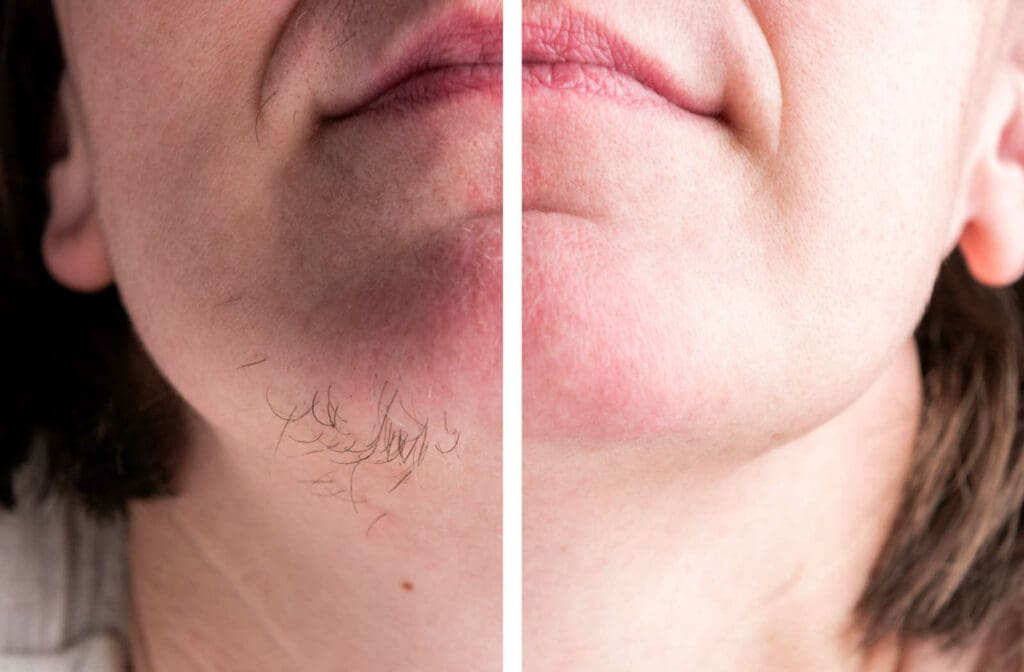
Short Answer
Laser hair removal has emerged as a transformative solution for those seeking a long-term respite from the continuous cycle of shaving, waxing, or plucking. If you find yourself contemplating this advanced technique, it is essential to understand the intricacies of the process, particularly the number of sessions required to achieve optimal results. This article intricately unveils the timeline of results you can anticipate, inviting you to shift your perspective on hair removal.
The Basics of Laser Hair Removal
Prior to delving into the specifics of session requirements, it is beneficial to grasp the fundamentals of how laser hair removal operates. During a treatment, concentrated beams of light target the melanin in the hair follicles, effectively damaging them without compromising the surrounding skin. This precision is what renders the procedure both effective and coveted; yet, it necessitates a series of sessions to achieve the desired result.
Understanding Hair Growth Cycles
To comprehend why multiple sessions are necessary, one must appreciate the nature of hair growth cycles. Each hair follicle undergoes three phases: anagen (growing), catagen (transition), and telogen (resting). Laser hair removal is most effective during the anagen phase, where the hair is actively growing. Not all hairs are in the same growth phase at any given time, which is why a singular session is insufficient. Typically, 20-25% of the hair follicles are in the anagen phase during a session, underscoring the need for repeated treatments to ensure maximum follicle targeting.
The Session Count: A General Guideline
The consensus among dermatologists and practitioners is that individuals require, on average, between six to eight sessions for optimal results. However, this figure is not set in stone; various factors influence the precise number of sessions needed. These factors encompass hair type, skin tone, and the specific area being treated.
1. Hair Type and Colour
Your hair’s intrinsic characteristics play a pivotal role in determining the efficacy of laser treatments. Dark, coarse hair generally responds better to laser removal than fine, light-coloured hair. This disparity arises from the contrasting levels of melanin present in the hair. Those with darker hair may witness more rapid and pronounced results, potentially requiring fewer sessions, while individuals with lighter hair might necessitate additional treatments to attain their aesthetic goals.
2. Skin Tone
The interaction between skin tone and laser technology is another significant consideration. Evolution in laser technology has fostered devices that cater to a broad range of skin tones; however, the contrast between skin and hair colour remains a critical determinant of success. Individuals with lighter skin and darker hair typically experience the most commendable outcomes from laser treatments, while darker skin tones, although compatible with modern lasers, may need to undergo more sessions to ensure safety and efficacy.
3. Area of Treatment
The area undergoing treatment further influences the session count. Areas with denser and thicker hair, such as the bikini line or underarms, may necessitate more sessions compared to areas with finer hair, like the arms or face. Additionally, hormonal influences can dictate hair growth patterns, particularly in women; hormonal fluctuations may necessitate a tailored approach for treatment in specific areas, potentially extending the overall number required sessions.
The Treatment Timeline
Embarking on a laser hair removal journey typically involves engagements spaced approximately four to six weeks apart, coinciding with the hair growth cycle. This schedule allows you to target as many follicles in the anagen phase as possible during each session. The anticipated timeline for seeing results generally unfolds over a few months, with many reporting a reduction in hair density after the initial treatments.
1. Initial Sessions: The First Impressions
Following your inaugural session, it is common to notice an immediate reduction in hair. However, this is often accompanied by a temporary increase in shedding in the days that follow. This phenomenon, known as “shedding,” occurs as the damaged hair falls out—an encouraging sign that the laser treatment is working. By the third or fourth session, clients frequently observe a reduction in hair regrowth and may experience sparser and finer hair.
2. Midway Assessment: Stepping Back to Evaluate
Reassessing your progress midway through treatment is pivotal. Many clients find that by this stage, they have a clearer understanding of their hair reduction and can make informed decisions. Your technician may adjust the laser settings or recommend additional sessions based on your ongoing results, ensuring a tailored approach for your needs.
3. The Final Phase: Achieving Desired Outcomes
As you approach the culmination of your treatment plan, the visible effects become more pronounced. Typically after six to eight sessions, many clients experience a dramatic decrease in hair regrowth. For some, maintenance sessions may be recommended every six months to a year after initial treatment concludes, particularly if the area has a history of robust hair growth.
Conclusion: Transforming Your Approach to Hair Removal
Ultimately, the journey through laser hair removal is as much about patience and persistence as it is about the pursuit of aesthetic goals. While the requirement for multiple sessions may seem daunting, understanding the rationale behind this necessity can shift your perspective on personal grooming. With a commitment to the process, the promise of long-term freedom from unwanted hair is tantalisingly within reach. Laser hair removal is, without doubt, a journey worth embarking upon for lasting results that enhance your confidence and simplify your beauty routine.
FAQ
How many laser hair removal sessions are typically needed?
Most people require between six to eight sessions to achieve optimal results, depending on factors like hair type, skin tone, and treatment area.
Why are multiple laser hair removal sessions necessary?
Because laser treatment is most effective during the anagen (growing) phase of hair, and only about 20-25% of hair follicles are in this phase at any time, multiple sessions spaced weeks apart are needed to target all follicles.
Does hair type affect the number of sessions needed?
Yes, dark, coarse hair responds better to laser removal and may require fewer sessions, while light-colored or fine hair may need more treatments.
How does skin tone impact laser hair removal?
Laser technology is most effective when there is good contrast between skin and hair color. Lighter skin with darker hair usually yields better results. Darker skin tones might need more sessions and specialized equipment to ensure safety.
What is the typical timeline between laser hair removal sessions?
Sessions are usually spaced four to six weeks apart to coincide with hair growth cycles for maximum effectiveness.

Leave a Reply