Short Answer
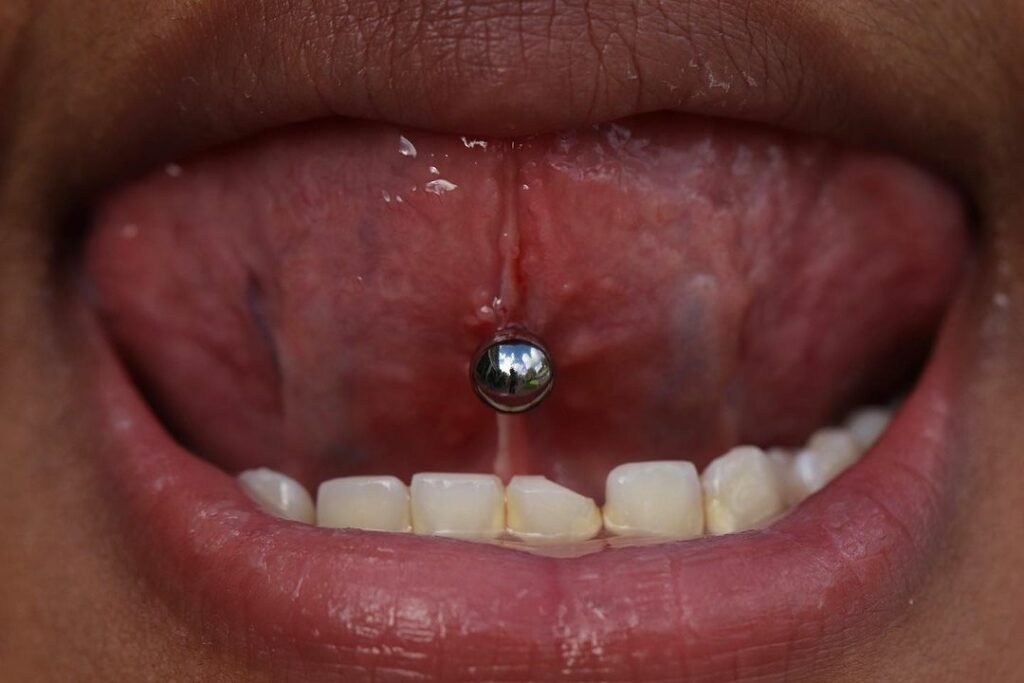
Curious about sprucing up your look with a tongue piercing? It’s a tantalising consideration! But before you rush off to the tattoo parlour, you might find yourself pondering a more pragmatic query: How much does a tongue piercing really cost, and what does the healing and aftercare entail? Let’s dive into this captivating world of body art to unravel these intriguing facets.
The Cost of a Tongue Piercing
The financial aspect of a tongue piercing can vary widely depending on several factors. Typically, you can expect the cost to range from £30 to £100. Why this range, you ask? Various elements contribute to the pricing, including the reputation of the studio, the expertise of the piercer, and geographical location.
In larger cities, where competition is fierce and the cost of living is elevated, the prices lean towards the higher end. Conversely, smaller towns might offer more economical options. Moreover, some establishments may include the jewellery in the overall piercing fee, while others may charge separately. It’s essential to inquire about what is included in the price to avoid unexpected expenses.
Don’t forget to consider additional costs. After the initial piercing, you may wish to invest in high-quality aftercare products or even more extravagant jewellery as your piercing heals. Each component can add up, turning a seemingly modest expenditure into a more significant financial commitment.
Understanding the Healing Process
During the initial healing phase, expect swelling, tenderness, and increased salivation. Swelling can sometimes make it difficult to talk or eat, presenting a small, but noticeable, challenge. This period requires careful navigation; opting for soft foods and ice-cold beverages can alleviate discomfort significantly.
While the piercing is healing, your tongue’s mucous membrane will generate a protective barrier. This natural defence is both a blessing and a possibility for irritation. If you encounter prolonged discomfort or unusual symptoms, such as excessive bleeding or signs of infection, reaching out to a professional piercer or healthcare provider is crucial.
Aftercare Guidelines: Ensuring a Smooth Healing Journey
- Keep it Clean: Rinse your mouth with a saline solution made of sea salt and warm water. This simple, yet effective, solution should be utilised several times a day, especially after meals.
- Avoid Oral Disturbances: Steering clear of smoky, spicy, or acidic foods is essential in the early days. These can aggravate your piercing, leading to unnecessary discomfort.
- Be Mindful of Hygiene: Always wash your hands before touching your piercing. This basic yet vital practice prevents bacteria from entering your mouth or embedding themselves in the new piercing.
- No Playing or Twisting: It may be tempting to fiddle with your new adornment; however, doing so can cause irritation and prolong the healing process. Avoid touching your tongue with your fingers, and refrain from playing with the jewellery.
- Choose Your Drinks Wisely: Consuming alcohol, caffeine, and carbonated drinks can all cause discomfort during the healing phase. Opt for fresher, gentler options to assist in the healing process.
Incorporating an antiseptic mouthwash into your routine can also benefit the healing process. Choose a non-alcoholic formula to prevent added irritation. Consistency is key; maintain a regular cleaning regimen to guard against infection.
Possible Complications: What to Watch For
Jewellery rejection can occur when your body’s immune system sees the foreign object as a potential threat, resulting in the piercing being pushed out. This reaction is more common with certain materials. Ensure you’re opting for high-quality jewellery, typically made of titanium or surgical stainless steel, as these are less likely to provoke a negative response.
Final Thoughts
FAQ
How much does a tongue piercing typically cost?
A tongue piercing generally costs between £30 and £100, depending on factors such as studio reputation, piercer expertise, and location.
What factors influence the cost of a tongue piercing?
The cost is influenced by the studio's location, the piercer's experience, whether jewelry is included, and the quality of aftercare products.
How long does it take for a tongue piercing to heal?
Healing usually takes about 4 to 6 weeks, but this can vary depending on individual health and aftercare.
What aftercare is recommended after getting a tongue piercing?
Recommended aftercare includes regular cleaning with saline solution, avoiding irritants like alcohol and tobacco, and following the piercer's specific instructions.





Leave a Reply