Short Answer
When undertaking a construction project, it is essential for builders, architects, and DIY enthusiasts alike to be well-versed in the nuances of their materials. One such material that plays a pivotal role in construction is the humble brick. As various types of bricks are utilised across a spectrum of projects—from residential homes to commercial edifices—knowing precisely how many bricks are contained within a pallet becomes a vital piece of information. This guide explores the intricacies of bricks per pallet, delving into the standard quantities, types of bricks available, and essential considerations for construction projects.
The Basics: Understanding Pallets and Bricks
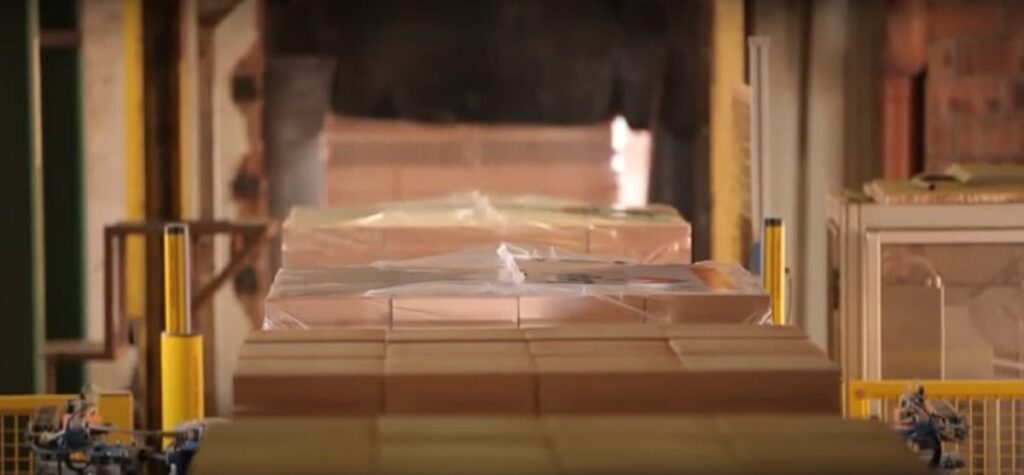
Before delving into specifics, it’s important to understand what constitutes a pallet and the role it plays in the transportation and storage of bricks. A pallet serves as a foundational platform, typically constructed from wood or plastic, onto which bricks are stacked for efficient movement. The standard pallet size is usually 120 cm x 100 cm, though variations exist. The bricks themselves are manufactured in an array of dimensions and weights, generally classifiable into two categories: modular and non-modular.
Modular bricks are those conforming to specific measurements, typically around 190 mm x 90 mm x 57 mm. Non-modular bricks have other dimensions and may vary considerably, thus impacting the overall count on a pallet. On average, a pallet can accommodate between 400 to 700 bricks, but this figure can fluctuate based on the aforementioned factors.
Types of Bricks and Their Impact on Quantity
Understanding the various types of bricks is crucial for accurate estimation. Here, we discuss a few predominant varieties:
- Common Bricks: Often used for interior and structural purposes, standard common bricks typically yield about 500 units per pallet.
- Facing Bricks: These bricks offer an aesthetically pleasing facade and are more meticulously manufactured. A pallet may contain approximately 470 to 500 facing bricks, depending on the specific dimensions.
- Fire Bricks: Used in high-temperature applications like fireplaces and kilns, fire bricks are denser and heavier; therefore, the quantity per pallet may be lower, often between 300 to 400 pieces.
- Paving Bricks: Designed for outdoor usage, paving bricks have varying thicknesses and sizes. Typically, there might be around 400 to 500 paving bricks on a pallet.
- Specialty Bricks: These include items such as recycled bricks or decorative bricks and can have significantly different quantities per pallet owing to custom sizes.
Hence, the type of brick dictates not only the aesthetic and functional significance of the project but also the efficient planning of quantities needed for procurement.
Factors Affecting the Number of Bricks per Pallet
Beyond the type of brick, several other elements can influence the number of bricks a pallet can hold:
- Brick Dimensions: As noted earlier, the size of the bricks—both length and thickness—plays a significant role in how many can stack on a standard pallet. Larger, thicker bricks will occupy more space, resulting in fewer units per pallet.
- Stacking Techniques: The method used to stack bricks can also influence total quantity. For instance, staggered stacking may create more stability but can reduce available space on a pallet.
- Manufacturer Specifications: Different manufacturers may use unique packaging strategies. Therefore, it is advisable to adhere to the specific guidance provided with the product.
- Pallet Weight Limitations: The maximum weight capacity of a pallet is another crucial consideration. Exceeding this limit can lead to safety concerns during transport and resulting structural integrity risks.
Practical Applications & Measurement
When planning a construction project, it is prudent to take precise measurements to gauge how many pallets are required based on the projected number of bricks needed. A conventional approach is to calculate the area of the structure followed by multiplying it with the brick thickness and estimating the total units necessary, considering wastage and breakage rates, usually recommended to be about 10% extra.
For instance, if one intends to build a wall that is 10 square meters with an average brick size of 190 mm x 90 mm x 57 mm, the number of bricks can be calculated by determining the volume of bricks required and dividing it by the volume of a single brick, adjusting for wastage. Knowing that a standard pallet holds approximately 500 bricks, one could readily ascertain how many pallets are necessary for purchase.
Conclusion: A Builder’s Best Practice
Ultimately, understanding how many bricks are contained in a pallet is paramount for effective planning and execution in any building project. From common bricks to specialty alternatives, the quantities can vary significantly. By comprehensively recognising the dimensions, types, and other critical factors, builders can optimise their supply chains, ensuring they have sufficient materials while maintaining budgetary constraints. As with any component of construction, knowledge is power, and a thorough reference guide on bricks can significantly contribute to the success of any building endeavour.
FAQ
How many bricks are typically in a pallet?
A standard pallet can accommodate between 400 to 700 bricks, depending on the type and size of the bricks.
What factors can affect the number of bricks per pallet?
Factors include brick dimensions, stacking techniques, manufacturer specifications, and pallet weight limitations.


Leave a Reply