Short Answer
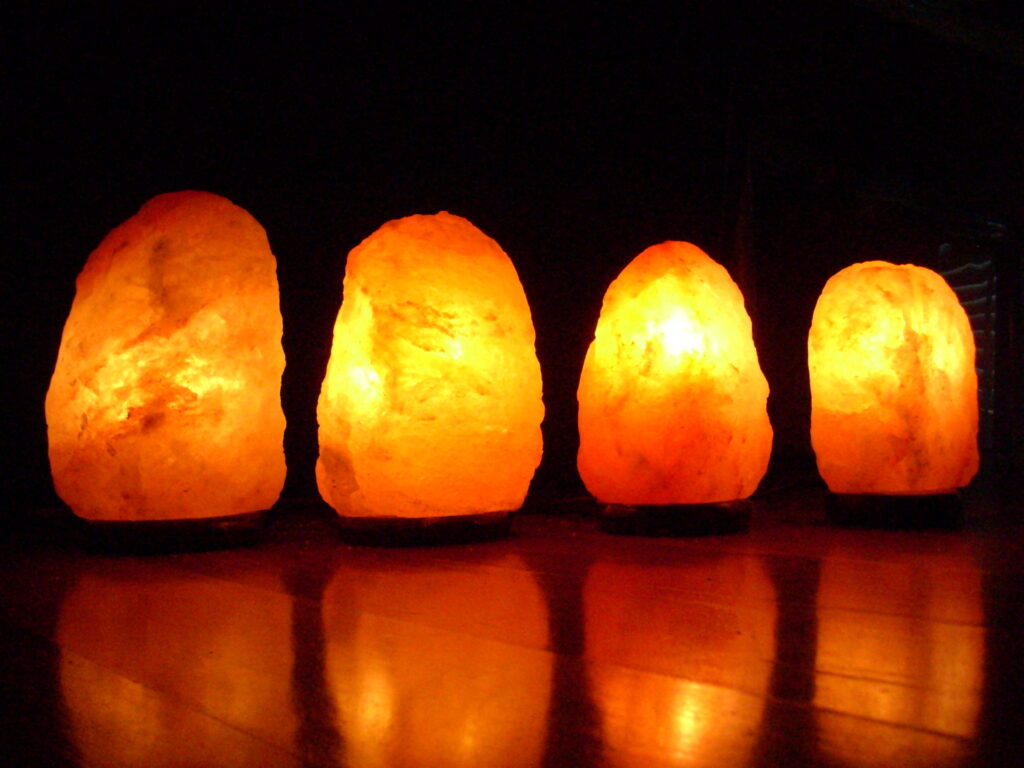
Himalayan salt lamps have garnered significant attention in recent years, becoming popular not just for their aesthetic appeal, but also for the purported health benefits they bestow. These enchanting illuminating fixtures, carved from blocks of pink Himalayan salt, cast a warm, ambient glow that transforms any space into a sanctuary of tranquillity. Yet, beneath their captivating beauty lies a myriad of claims regarding health benefits, scientific plausibility, and even myths that deserve critical examination.
What exactly do salt lamps do? To address this question, one must explore the primary function of these lamps and the various assertions made about their effects on health and well-being. At their core, salt lamps serve as decorative lighting fixtures, emitting a soft radiance that can uplift mood and create a serene atmosphere. However, the narrative extends far beyond their functionality as mere ornaments. Advocates frequently assert that these lamps can purify air, enhance respiratory functions, and even alleviate stress. Yet, are these claims substantiated by science, or do they rest on the bedrock of myth?
1. Air Purification: The Myth of Negative Ions
One of the most significant claims surrounding salt lamps is their ability to purify the air through the release of negative ions. Proponents suggest that these negative ions counterbalance the positive ions produced by electronic devices, thus cleansing the air of pollutants, allergens, and toxins. While it is true that negative ions may improve air quality to some extent—an effect observed in certain natural environments like waterfalls and forests—the extent to which salt lamps contribute to such purification is contentious.
Scientific studies indicate that while salt does naturally attract moisture in the air, the diminutive size of most salt lamps may render them ineffective at producing enough negative ions to impact indoor air quality significantly. Therefore, while the allure of breathing cleaner air may entice many, the reality is that relying solely on a salt lamp for air purification is ill-advised.
2. Respiratory Benefits: A Glimmer of Hope?
Advocates claim that salt lamps can assist in alleviating respiratory issues, including asthma and allergies. This belief arises from the historical use of salt therapy, or halotherapy, which involves inhaling salt-infused air to relieve respiratory ailments. The notion that salt lamps could mimic this therapeutic effect is plausible, yet largely unverified in clinical settings.
When salt is heated, it does release trace minerals, but the concentration is minimal. The particles are not sufficiently dispersed in the air to offer any significant therapeutic advantage for individuals with chronic respiratory conditions. Consequently, while the warm light of a salt lamp may provide comfort in a soothing environment, it is no substitute for proven medical treatments.
3. Mood Enhancement: The Power of Soft Light
The psychological effects of lighting are well-documented, and it is here that salt lamps shine most brightly. The soft, orange-hued glow produced by these lamps creates an inviting and calming atmosphere, which can enhance mood and promote relaxation. Exposure to warm, ambient light has been shown to reduce stress levels, foster serenity, and improve overall emotional well-being.
As the world becomes increasingly hectic, the appeal of creating a peaceful retreat at home becomes paramount. Salt lamps can serve as a functional decorative piece, contributing to a calming environment that may help to reduce anxiety and induce a sense of tranquillity.
4. Enhancing Sleep Quality: An Indirect Benefit
Linked to mood enhancement is the potential benefit of improved sleep quality. The light emitted by salt lamps is significantly less intrusive than the harsh blue light produced by screens. This can be particularly beneficial in the evening, as exposure to softer light can contribute to the body’s natural circadian rhythm, promoting restful sleep.
Moreover, the mineral content present in Himalayan salt is believed to create an atmosphere conducive to relaxation. While more rigorous studies are needed to substantiate these claims definitively, the act of winding down in a softly lit environment can undeniably assist in preparing the mind and body for a restorative night’s sleep.
5. The Science Behind Myths: A Critical Examination
In the face of widespread enthusiasm for salt lamps, a critical examination of the scientific literature is necessary. Many claims surrounding salt lamps stem from anecdotal evidence rather than empirical research. While they may provide certain psychological benefits, the physiological claims concerning air purification and respiratory health remain largely unsupported.
It is crucial for consumers to navigate the sea of marketing narratives critically. Much like many wellness products, salt lamps can promote wellness through ambience and tranquillity rather than through miraculous health benefits.
Conclusion: The Aesthetic and Psychological Value
In summary, while the enchanting allure of Himalayan salt lamps is palpable, the tangible benefits they offer warrant careful consideration. They are not a panacea for health ailments or a substitute for scientific remedies, but they do represent an opportunity to enhance one’s living space aesthetically and emotionally.
Ultimately, the value of a salt lamp may lie less in its purported healing properties and more in the warm, welcoming glow it casts in our homes. As we seek to cultivate environments that nurture our well-being, it is essential to embrace both the science and the soothing touch of these unique fixtures.
FAQ
What do salt lamps do?
Salt lamps emit a warm, ambient light that can create a calming atmosphere and potentially improve mood and sleep quality.
Do salt lamps produce negative ions?
Salt lamps produce very few negative ions, insufficient to significantly purify indoor air.
Can salt lamps help with allergies or asthma?
There is no conclusive scientific evidence that salt lamps provide therapeutic benefits for allergies or asthma.
Are salt lamps a substitute for medical treatments?
No, salt lamps should not replace professional medical treatment for health conditions.


Leave a Reply