Short Answer
When faced with dental issues, one may ponder: “Is the discomfort worth the price tag?” This playful yet pressing question often surfaces when considering root canal treatment. Known as one of the most feared procedures in dentistry, root canal therapy is shrouded in myths and apprehension, largely due to its perceived cost. But what does this extensive process truly entail in terms of financial investment?
To navigate the complexities of root canal treatment costs within private healthcare, one must first understand the multifaceted factors influencing the pricing. Each component plays a pivotal role that contributes to the overall expenditure which can vary significantly based on several criteria.
1. Understanding Root Canal Treatment
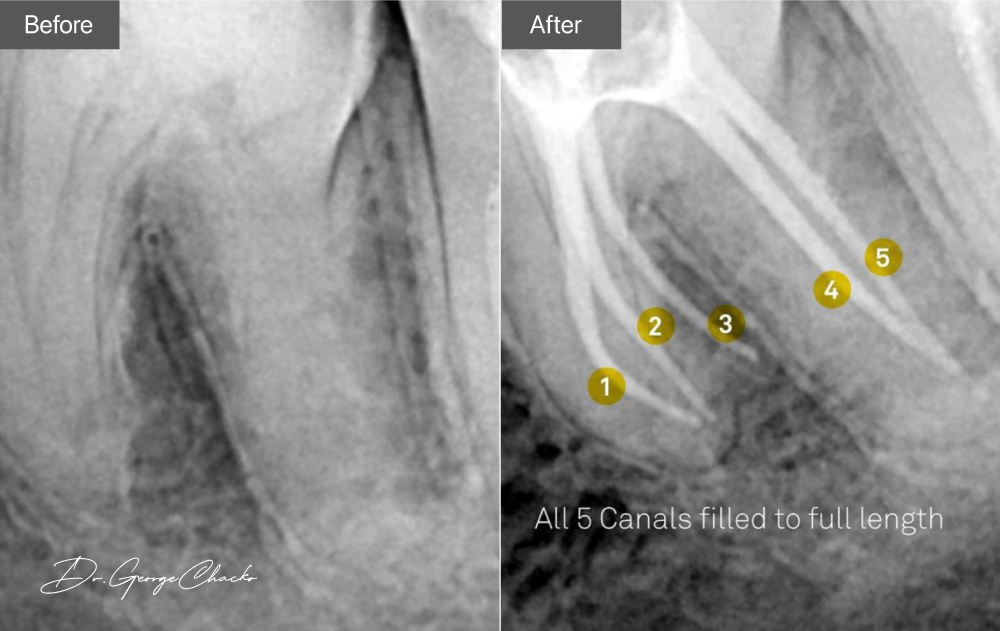
Root canal treatment is a dental procedure aimed at addressing infection or damage to the pulp of the tooth. The process involves removing this infected pulp, cleaning the interior of the tooth, and sealing it to prevent future complications. Contrary to popular belief, it is crucial to understand that eschewing such treatment may incur far greater costs in the long run due to potential extractions or resulting health issues.
2. Average Cost Breakdown
On average, the cost of root canal treatment in private clinics can range between £300 and £1,500. This variance is primarily due to several determinants:
- Type of Tooth: Treatment costs vary depending on whether the procedure involves an incisor, canine or molar. Molars, with their multiple roots, tend to be more complex cases, hence attracting higher fees—often reaching upwards of £1,000.
- Location of Dental Practice: Geographical positioning can substantially influence prices. Dental practices located in urban areas or affluent regions typically charge more than those in suburban or rural locales.
- Experience of the Dentist: The dentist’s qualifications and experience can also dictate costs. A highly sought-after practitioner may charge a premium for their expertise, while a less experienced dentist might offer services at a lower rate.
Now that we’ve examined the average costs, let’s take a moment to consider additional expenses which might arise.
3. Additional Expenses to Consider
When calculating the total financial outlay, it is vital to account for ancillary charges beyond the initial treatment cost:
- Diagnostic Imaging: Before the procedure, X-rays or scans may be necessary to determine the extent of damage and plan treatment, resulting in an added fee of around £50 to £150.
- Follow-Up Appointments: Post-operative check-ups are crucial to ensure healing and success of the procedure. Each follow-up may cost between £30 and £100.
- Restorative Work: After undergoing a root canal, many patients require a crown or filling to restore the tooth. The costs for these restorative treatments can vary widely, generally costing from £200 to £800 depending on the materials used and complexity.
Please note, these figures are illustrative; it’s prudent to conduct comprehensive research or consultations to garner an accurate estimate tailored to individual circumstances.
4. Insurance and Financing Options
For those contemplating the financial commitment, understanding insurance policies and financing plans can ease the burden. Certain dental insurance plans cover a portion of root canal expenses, albeit at varying rates. Enquire with your provider to grasp what percentage of treatment costs will be reimbursed.
In addition to traditional insurance, some dental practices offer payment plans or financing options that allow patients to spread the cost over several months. This flexibility can make the investment much more manageable, inviting more individuals to seek necessary treatment without extensive financial strain.
5. Concluding Thoughts: Is it Worth It?
Ultimately, the inquiry “Is the discomfort worth the price tag?” slithers back into focus. The apprehension surrounding root canal treatment often stems from a misunderstanding of both its necessity and its financial implications. While the initial investment may appear substantial, the alternative—extraction or untreated infection—could lead to significantly higher costs, not just financially, but also in terms of health and wellbeing.
Before succumbing to the trepidation that often accompanies such procedures, consider the myriad benefits of preserving your natural teeth. A root canal can alleviate pain, restore functionality, and help maintain one’s smile, making it a valuable investment in your long-term dental health.
If you find yourself pondering the costs, remember that investing in root canal treatment is not merely an expense—it is a commitment to one’s health and quality of life. In the grand tapestry of healthcare expenses, this thread is worthy of careful consideration and gratitude. So, the next time you think about avoiding dental treatment due to fear of costs, reflect on the implications of not acting; what might the true cost be?
FAQ
What factors affect the cost of root canal treatment?
The cost can vary based on the type of tooth, location of the dental practice, and the experience of the dentist.
Are there additional costs associated with root canal treatment?
Yes, additional expenses may include diagnostic imaging, follow-up appointments, and restorative work.
Does dental insurance cover root canal treatment?
Many dental insurance plans cover a portion of root canal expenses, but the coverage varies by provider.



Leave a Reply