Short Answer
Root canals are often misunderstood and can evoke a fair amount of anxiety for patients. However, understanding the intricacies of the procedure can demystify the process and help individuals make informed decisions about their dental health. The duration of a root canal treatment may vary significantly depending on whether it is performed in a single visit or across multiple sessions. In this comprehensive analysis, we will delve into the factors affecting treatment duration, the comparative durations of single-visit versus multiple-visit root canals, and what one might expect during the process.
Understanding the Procedure
A root canal is a dental procedure designed to treat infection or decay in the pulp of a tooth. The pulp, which consists of nerves and blood vessels, can become inflamed or infected due to various reasons, such as deep cavities, repeated dental procedures on the tooth, or injury. The goal of the root canal is to alleviate pain and restore the tooth’s function while preventing the need for extraction.
Single-Visit Root Canal: Duration and Process
In many contemporary dental practices, single-visit root canal therapy has gained popularity for its efficiency. The entire procedure can typically be completed in one appointment, lasting anywhere from 60 to 90 minutes, depending on the complexity of the case. This approach is particularly beneficial for patients with hectic schedules or those who experience anxiety regarding dental visits.
The process begins with a thorough examination and imaging, usually through X-rays, to assess the tooth’s condition. Dentists will then administer local anaesthesia to ensure the patient remains comfortable throughout the treatment. Once the patient is numb, the dentist will create an opening in the crown of the tooth to access the pulp chamber.
The dentist employs specialised instruments to remove the infected pulp, clean the root canals, and then shape them to prepare for filling. After meticulous cleaning and disinfection, the canals are filled with a biocompatible material known as gutta-percha. The tooth is then sealed, and a temporary or permanent filling is placed to restore its structure.
While single-visit root canal treatments are efficient, it should be noted that some cases may still require follow-up care or additional treatment if complications arise.
Multiple-Visit Root Canal: Duration and Process
Multiple-visit root canal therapy is often recommended for more complicated cases, particularly those involving severe infection or multiple canals. This method may take two or more appointments, with each visit lasting approximately 60 to 90 minutes. The total duration can span several days to weeks, depending on the individual circumstances.
The subsequent visit involves cleaning the canals thoroughly and filling them. Since the tooth has had time to respond to treatment during the first visit, the dentist can often achieve more comprehensive results. Additional appointments may also be necessary if complications arise or further treatments, such as a crown, are needed.
Factors Affecting Duration
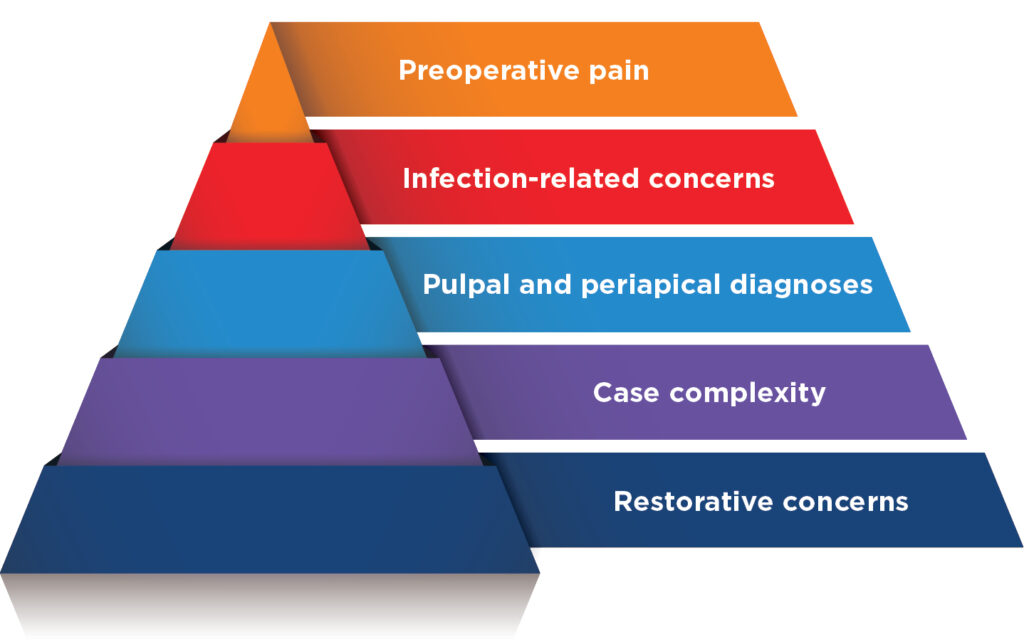
Several variables can influence the duration of a root canal, whether it be a single visit or multiple visits. One significant factor is the tooth’s anatomy; some teeth have complex canal systems with numerous branches, which require more intricate work. The dentist’s experience and the technology used in the practice can also impact the length of the procedure. Advanced instruments, such as rotary endodontic devices, can expedite the cleaning process, potentially making even complicated cases quicker to resolve.
Patient variables play a role too. Individual tolerance to pain, the presence of abscesses, and overall health can affect how smoothly the procedure goes. For instance, if a patient has a severe infection or requires special considerations due to medical conditions, this could extend the time needed to complete the treatment effectively.
What to Expect During Recovery
Regardless of the treatment method chosen, patients can expect some level of discomfort following a root canal. It is normal to experience mild to moderate pain in the days after the procedure, often manageable with over-the-counter pain relief. Dentists generally provide aftercare instructions, including recommendations on oral hygiene and dietary modifications to facilitate healing.
After a single-visit root canal, many patients can resume their normal activities shortly thereafter, while multiple-visit treatments may necessitate a longer recovery period, particularly if infection was a significant factor. The dentist will usually schedule follow-up appointments to monitor the tooth’s healing and ensure that the infection is fully resolved.
Conclusion
Ultimately, the choice between a single-visit and a multiple-visit root canal will depend on the specific circumstances surrounding each individual case, as well as the patient’s convenience and comfort. Understanding the differences in duration and process can remove some of the apprehension associated with this crucial dental procedure. Engaging in an open dialogue with your dentist regarding your treatment options will pave the way for a successful outcome, ensuring the longevity of your dental health.
FAQ
How long does a root canal take?
A root canal can take between 60 to 90 minutes, depending on whether it is a single-visit or multiple-visit procedure.
What factors affect the duration of a root canal?
Factors include the complexity of the case, the number of canals involved, and the patient’s specific dental condition.
Is a single-visit root canal better than a multiple-visit one?
Single-visit root canals are efficient and convenient, but multiple-visit treatments may be necessary for more complicated cases.
FAQ
How long does a root canal take?
A root canal can take between 60 to 90 minutes, depending on whether it is a single-visit or multiple-visit procedure.
What factors affect the duration of a root canal?
Factors include the complexity of the case, the number of canals involved, and the patient’s specific dental condition.
Is a single-visit root canal better than a multiple-visit one?
Single-visit root canals are efficient and convenient, but multiple-visit treatments may be necessary for more complicated cases.
FAQ
How long does a root canal take?
A root canal can take between 60 to 90 minutes, depending on whether it is a single-visit or multiple-visit procedure.
What factors affect the duration of a root canal?
Factors include the complexity of the case, the number of canals involved, and the patient’s specific dental condition.
Is a single-visit root canal better than a multiple-visit one?
Single-visit root canals are efficient and convenient, but multiple-visit treatments may be necessary for more complicated cases.



Leave a Reply