Short Answer
Root canal treatment often evokes a mixture of apprehension and intrigue among patients. The mere mention of this procedure can conjure up images of convoluted treatments involving unwelcome discomfort. However, behind the anxiety lies a captivating narrative of dental science and patient well-being. This article delves into how long a root canal generally takes, what patients should expect during their visit, and the underlying factors that contribute to the duration of this oft-misunderstood procedure.
At the outset, it must be acknowledged that the time required for a root canal can vary substantially based on several determinants, including the complexity of the case, the number of canals involved, and the specific tooth being treated. Typically, patients can expect the procedure to last anywhere from 60 minutes to 90 minutes in a single visit. In certain instances, if complications arise or if the tooth has multiple canals, the treatment could extend over two visits, stretching the total time to several hours.
The anticipation before a root canal appointment often stems from the desire for a clear understanding of what will unfold in the dental chair. Initially, patients will undergo a thorough examination and diagnostic imaging, typically with X-rays, to evaluate the condition of the tooth in question. This initial phase allows the dentist to ascertain not only the extent of infection or damage but also the anatomy of the tooth’s root canal system, which might not be immediately apparent. Such imaging can reveal multiple canals and variations in root morphology, each necessitating a tailored approach during the procedure.
Once the initial assessment is complete, anaesthesia is administered. This step is crucial, as it ensures the patient remains comfortable and pain-free throughout the procedure. Contrary to popular belief, modern anaesthetic techniques have significantly reduced discomfort associated with root canal treatments, allowing patients to experience a significantly more bearable procedure than those heard about in hushed tones or depicted in antiquated depictions of dental care.

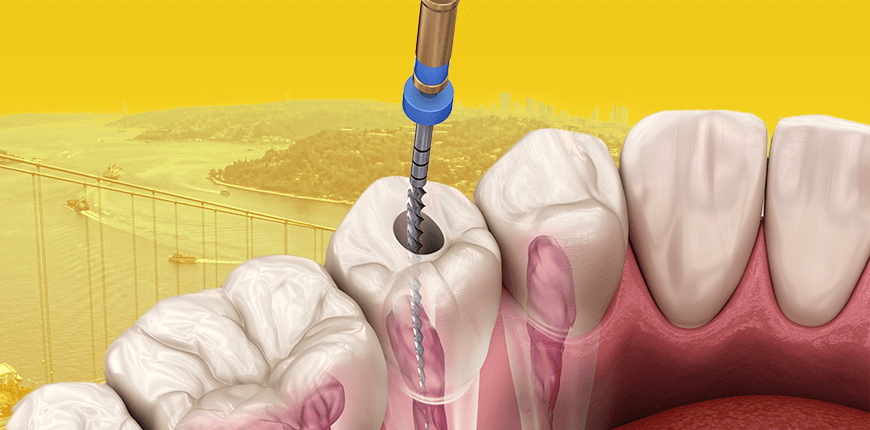
Following anaesthesia, the dentist will begin the actual treatment by isolating the affected tooth with a rubber dam. This isolation is paramount, preventing saliva from contaminating the treated area and providing an unobstructed view for the dentist. The clinician will then create an access point into the pulp chamber—the innermost part of the tooth containing nerves and blood vessels—using specialised dental instruments. This is where the intricacies of the root canal system come into play. Some teeth may have one, while others may possess multiple canals branching off like intricate waterways.
After gaining access, the dentist will remove the diseased pulp tissue, meticulously cleaning and shaping the canal using endodontic files. This part requires precision and care, as the dentist cleans out both the visible areas and the narrower canals that may not be immediately accessible but are essential to ensure thorough decontamination. The cleaning process can be quite time-consuming, especially in cases where the canals are curved or calcified, common occurrences that can complicate the procedure.
Once the canals have been effectively cleaned and shaped, they are disinfected to eliminate any lingering bacteria. The length and thoroughness of this process can vary depending on the tooth’s anatomy and the degree of infection. After the disinfection process, the canals are filled with a biocompatible material known as gutta-percha, which serves to seal the space and prevent future infection. This phase may require additional time if the dentist encounters unexpected anatomical complexities or if they wish to ensure that the canal is entirely sealed.
After the filling process, the dentist will typically place a temporary restoration on the tooth to protect it until a more permanent solution, such as a crown, can be applied. This final step in the immediate root canal procedure represents an essential aspect of the treatment, as it ensures the integrity of the tooth’s structure until the next stage is completed.
During recovery, patients may experience some discomfort or mild pain, similar to what one might expect after any surgical procedure. However, it’s vital to recognise that this discomfort is often manageable with over-the-counter pain relief and typically diminishes significantly within a few days. The anticipation of discomfort often outweighs the actual experience, as advancements in dental technology and anaesthesia have made this phase considerably more tolerable than in the past.
It is not uncommon for patients to feel nervous or uncertain about the root canal process. However, enriching one’s understanding of the procedure can alleviate some of these fears. Engaging in open discussions with the dental care team about what to expect can further ease anxiety. Taking proactive steps, such as gathering questions before the appointment and seeking clarifications after the consultation, sets a collaborative tone between patient and practitioner.
In conclusion, while the term “root canal” may initially elicit trepidation for many, understanding the time frame and processes involved transforms it from a dreaded dental necessity into a manageable procedure. By investigating the complexities of tooth anatomy and the meticulous steps that dental professionals undertake, patients can approach their upcoming treatment with greater confidence and less fear. Ultimately, root canal therapy is designed not only to save a tooth but also to alleviate pain and preserve the overall health of the patient’s mouth. A well-executed root canal paves the way for a return to optimal oral function and aesthetics—a victory for both the patient and the dental practitioner involved.
FAQ
How long does a root canal take?
A root canal typically lasts between 60 to 90 minutes but may require additional time depending on complexity.
What should I expect during a root canal procedure?
Patients can expect a thorough examination, anesthesia administration, cleaning of the canal, and placement of a temporary restoration.
Is root canal treatment painful?
Modern techniques have significantly reduced discomfort, making the procedure more bearable than previously thought.





Leave a Reply