Short Answer
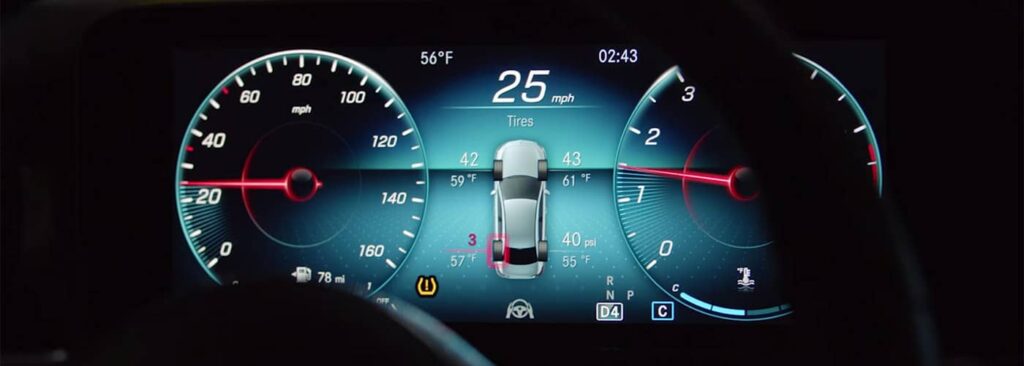
Ever wondered what that cryptic symbol illuminating on your dashboard represents? It’s often a horseshoe-shaped icon with an exclamation mark inside, indicating an issue with your Tire Pressure Monitoring System, or TPMS. But what exactly does TPMS mean in a car, and why is it crucial for your vehicle’s health and your safety?
The answer lies in proactive vehicle maintenance and safety. TPMS is an electronic system designed to constantly monitor the air pressure inside your tires. Let’s delve into the intricate workings of this vital system.
Understanding the Core Functionality of TPMS
At its core, TPMS serves a singular, yet profoundly important, purpose: to provide real-time tire pressure data to the vehicle’s driver. It’s like having a vigilant guardian constantly checking the vitals of your tires.
The Two Primary TPMS Architectures: Direct and Indirect
There are primarily two distinct types of TPMS: direct and indirect. Each employs a different method for gauging tire pressure. Understanding their fundamental differences is paramount.
Direct TPMS: Precision via Sensors
Direct TPMS utilizes pressure sensors mounted inside each tire. These sensors directly measure the tire pressure and transmit this data wirelessly to the vehicle’s central control unit. The beauty of direct TPMS lies in its accuracy and ability to provide individual tire pressure readings.
These sensors are typically integrated with the tire’s valve stem, making them a cohesive unit. Direct TPMS, however, requires sensor replacement when batteries deplete, usually after several years.
Indirect TPMS: Deduction via Wheel Speed
Indirect TPMS, conversely, relies on the vehicle’s Anti-lock Braking System (ABS) wheel speed sensors to infer tire pressure. It operates on the principle that a deflated tire has a smaller rolling radius, causing it to rotate at a slightly higher speed than properly inflated tires.
The system monitors the rotational speed of each wheel. A disparity in speed triggers the TPMS warning light. Indirect TPMS is less precise than direct TPMS, as it only detects relative pressure differences, not absolute pressure values. It also requires recalibration after tire inflation or rotation.
The Benefits of a Functional TPMS
The advantages of a properly functioning TPMS are manifold and far-reaching.
Enhanced Safety
Underinflated tires pose a significant safety risk. They can lead to reduced braking performance, compromised handling, and an increased risk of tire blowouts, especially at high speeds. TPMS mitigates these dangers by alerting the driver to low tire pressure before it escalates into a critical situation. Think of it as an early warning system for potential disasters.
Improved Fuel Efficiency
Underinflated tires increase rolling resistance, forcing the engine to work harder and consume more fuel. Maintaining proper tire pressure, as facilitated by TPMS, optimizes fuel economy, saving you money at the pump. This seemingly small adjustment can have a noticeable impact over time.
Extended Tire Lifespan
Operating tires at the correct pressure promotes even wear across the tire’s tread, extending its lifespan. Underinflation leads to premature wear on the tire’s shoulders, while overinflation causes wear in the center. TPMS helps prevent uneven wear patterns, maximizing the longevity of your tires and reducing the frequency of replacements.
Troubleshooting Common TPMS Issues
Even with its advanced technology, TPMS is not immune to occasional malfunctions.
False Alarms
Fluctuations in ambient temperature can affect tire pressure, sometimes triggering false alarms. Colder temperatures typically cause tire pressure to decrease, while warmer temperatures cause it to increase. A slight pressure drop on a chilly morning might activate the TPMS light, even if the tires are still within an acceptable range.
Sensor Malfunctions
Direct TPMS sensors have a finite battery life. Once the battery is depleted, the sensor will cease to function, requiring replacement. Physical damage to the sensor, such as from a pothole impact, can also cause it to fail. In indirect TPMS, a faulty ABS sensor can disrupt the system’s ability to accurately infer tire pressure.
Calibration Problems
Indirect TPMS requires recalibration after adjusting tire pressure or rotating tires. Failure to recalibrate the system can lead to inaccurate readings and persistent warning lights.
Maintaining Your TPMS
Proper maintenance is key to ensuring the continued functionality and accuracy of your TPMS.
Regular Tire Pressure Checks
Even with TPMS, it’s still prudent to manually check your tire pressure regularly using a calibrated tire pressure gauge. This allows you to verify the accuracy of the TPMS readings and identify any subtle pressure changes that might not trigger an immediate alert.
Promptly Addressing Warnings
Never ignore a TPMS warning light. Investigate the cause promptly and inflate your tires to the recommended pressure. If the warning persists after inflation, consult a qualified mechanic to diagnose and repair any underlying issues.
Professional Servicing
When replacing tires or performing other tire-related maintenance, ensure that the technician properly services the TPMS components. This includes inspecting the sensors for damage, replacing valve stems as needed, and recalibrating the system after tire rotation or replacement.
In conclusion, TPMS is far more than just a dashboard light. It’s a sophisticated system that plays a crucial role in enhancing vehicle safety, optimizing fuel efficiency, and extending tire lifespan. By understanding its functionality, recognizing potential issues, and adhering to proper maintenance practices, you can ensure that your TPMS remains a reliable guardian of your tires for years to come.
FAQ
What does the TPMS warning light mean?
The TPMS warning light indicates that one or more tires have low air pressure or that there is a malfunction in the TPMS system.
What are the differences between direct and indirect TPMS?
Direct TPMS uses sensors inside each tire to measure pressure directly, while indirect TPMS infers tire pressure by monitoring wheel speed differences.
How often should TPMS sensors be replaced?
Direct TPMS sensors typically require replacement when their batteries run out, usually after several years, while indirect TPMS sensors generally last longer but require recalibration.
Can I manually check tire pressure even if my car has TPMS?
Yes, it is recommended to regularly check tire pressure manually to verify TPMS accuracy and maintain optimal tire conditions.
What should I do if my TPMS warning light stays on after inflating my tires?
If the warning light persists, consult a qualified mechanic to diagnose and repair any sensor malfunctions or calibration issues.

Leave a Reply