Short Answer
Varifocal glasses, also known as progressive lenses, have become a popular choice for individuals seeking to correct presbyopia and other vision issues. While these multidimensional lenses offer the convenience of seamless vision correction for distance, intermediate, and near vision, they come with their own set of challenges. Addressing these problems effectively is crucial for an optimal visual experience. Here, we explore common issues associated with varifocal glasses and offer practical solutions to alleviate them.
1. Distorted Vision
One of the most prevalent issues faced by first-time users of varifocal lenses is distortion, particularly when looking through the peripheral edges of the lenses. This phenomenon occurs because the lens is designed to transition seamlessly between different focal lengths. The distortion can lead to feelings of vertigo or disorientation, making it difficult to walk or navigate through spaces.
To remedy this problem, it’s imperative to ensure that the varifocal lenses are tailored precisely to the wearer’s prescription and frame. A knowledgeable optician should take accurate measurements of the pupillary distance and fitting height to create lenses that fit the specific visual needs of the user. Additionally, allowing the eyes time to adjust to these new lenses can be beneficial. Gradually increasing usage time can help mitigate discomfort.

2. Difficulty in Depth Perception
Depth perception challenges often accompany the shift to varifocal glasses. Users might experience difficulty judging distances, particularly during activities such as driving or playing sports. This inconsistency in perception can make everyday activities daunting and even potentially hazardous.
To counteract this, users should practice depth perception exercises. Simple activities such as tossing a ball back and forth with a partner can help retrain the brain to adapt to the new visual inputs. Furthermore, discussing any persistent depth perception issues with an optometrist may lead to an adjustment in the lens design, improving the clarity of vision at various distances.
3. Inconsistent Focal Points
Varifocal lenses feature multiple focal points for different distances—unlike bifocals or single-vision glasses—and this multi-focal setup can be overwhelming. Users often find themselves straining to locate the correct focal point, leading to frustration and fatigue.
A robust solution is to engage in routine eye examinations to ensure that the prescription remains up to date. Additionally, becoming aware of how to properly position one’s head and eyes while looking at various distances can lead to a more comfortable experience. Practising intentional eye movements, focusing on objects at varying distances, can enhance the transition between focal points.
4. Frame Fit Problems
The compatibility of the chosen frame with varifocal lenses is paramount. A frame that sits too low or too high can result in ineffective positioning of the optical zones, exacerbating distortion and reducing overall visual clarity. An ill-fitting frame may lead to discomfort and an obstructed field of vision.
When selecting frames, individuals should consult their optician for recommendations that suit their facial structure and lifestyle. It’s essential to ensure that the frame allows for an unobstructed view through each section of the lens. Regular adjustments made by an optician can also ensure that the alignment of the lenses remains optimal, maximising comfort and functionality.
5. Heavy Lenses
Another complaint from varifocal lens wearers is the weight of the lenses themselves. Thicker lenses can lead to discomfort on the nose and ears, particularly with extended wear. This weight can also result in a tendency to adjust the glasses frequently, breaking the necessary focus required for proper adaptation.
To alleviate discomfort from heavy lenses, consider opting for high-index lenses that are both lighter and thinner. These lenses maintain visual acuity while reducing weight considerably. Additionally, selecting a frame made from lightweight materials will further enhance comfort, encouraging prolonged use without strain.
6. Reflections and Glare
Reflections and glare can hinder vision clarity, particularly when driving at night or in bright sunlight. Varifocal lenses can create unique challenges in managing reflections due to their multifocal design, which may amplify glare from surrounding light sources.
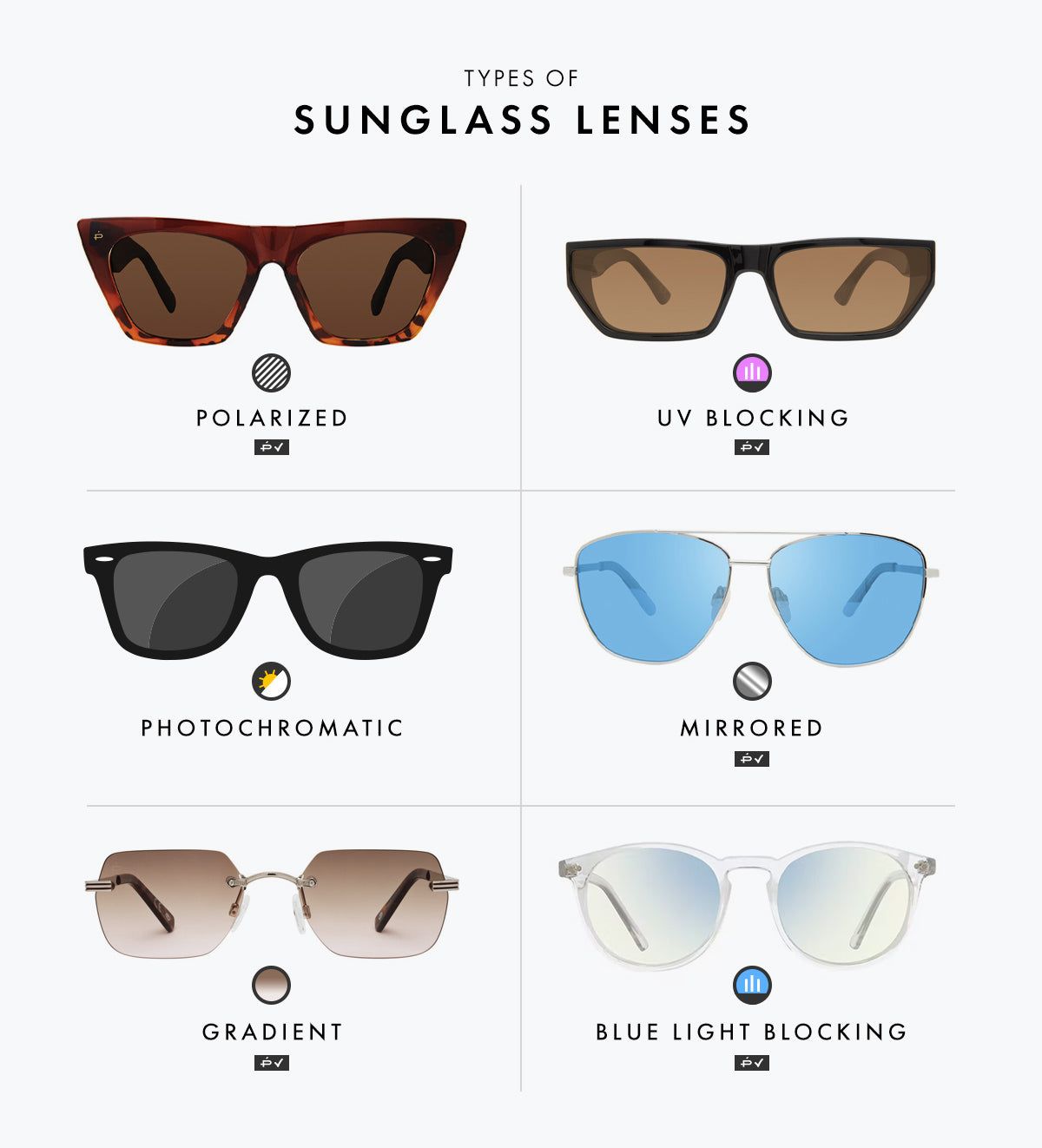
Incorporating an anti-reflective coating on the lenses can significantly improve visual comfort by reducing reflections and enhancing light transmission. This coating decreases eye strain and enhances overall contrast, making vision clearer under various lighting conditions. Furthermore, polarised lenses can be considered for those who frequently engage in outdoor activities, as they improve vision while reducing glare from reflective surfaces.
7. Adaptation Period
Finally, perhaps the most common issue of all is the adaptation period. Transitioning to varifocal lenses can be daunting, and many users encounter various challenges during their adjustment period. This adaptation phase might be accompanied by headaches, eye strain, or discomfort as the brain learns to process the multi-focal vision.
One effective way to ease this transition is to maintain open communication with an optometrist or eye care professional. They can offer tailored advice on expectations and adaptations during the initial phase. Engaging in consistent wear and patience is vital; ultimately, most users adjust within a few weeks.
In conclusion, while varifocal glasses offer substantial benefits, addressing their associated challenges is pivotal for optimal use. Users should remain proactive, seek professional assistance, and be patient throughout the adjustment process. By embracing these solutions, one can turn the challenges into manageable aspects of an enriching visual journey.
FAQ
What are varifocal glasses?
Varifocal glasses, also known as progressive lenses, are designed to provide seamless vision correction for distance, intermediate, and near vision.
How long does it take to adapt to varifocal glasses?
The adaptation period for varifocal glasses can vary, but most users adjust within a few weeks.
Can I improve my depth perception with varifocal glasses?
Yes, practicing specific depth perception exercises can help retrain your brain to adapt to varifocal lenses.



Leave a Reply