Short Answer
When it comes to selecting the ideal countertop for your kitchen, the myriad of choices can seem overwhelming. Quartzite countertops have risen in popularity, offering a blend of natural beauty and practicality. However, before committing, it is essential to explore the various dimensions of this material, weighing its advantages and disadvantages against the backdrop of cost implications. This guide aims to furnish you with a comprehensive understanding of quartzite countertops, helping you to make an informed choice for your culinary space.
The Allure of Quartzite: What Is It?
Quartzite is a metamorphic rock that originates from sandstone subjected to immense heat and pressure over geological time. The result is a dense and robust stone, often characterised by striking hues and intricate patterns that can add a touch of elegance to any kitchen. It boasts a high degree of durability, making it a popular choice among homeowners who seek both style and substance.
Pros of Quartzite Countertops
1. Exceptional Durability
One of the most compelling advantages of quartzite countertops is their remarkable durability. Not only are they resistant to scratches and chipping, but they can withstand high temperatures as well. This resilience makes quartzite an ideal choice for the bustling environment of a kitchen, where accidents can happen frequently.
2. Aesthetic Appeal
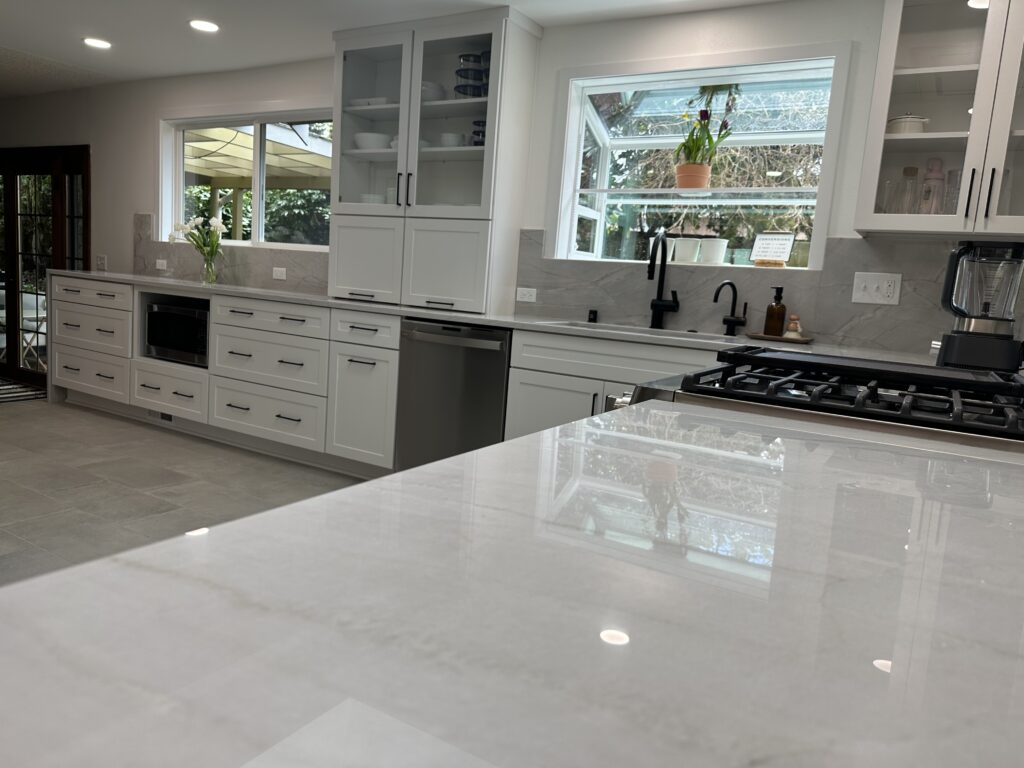
Quartzite is renowned for its stunning visual characteristics. Each slab is unique, showcasing an array of colours that range from soft beige to vibrant blues and greens. The natural veining adds an artisanal touch that synthetic materials often lack. Homeowners can find a quartzite that complements their style, whether that be modern minimalism or classic elegance.
3. Low Maintenance
Unlike some Natural stones, quartzite is relatively low maintenance. A periodic application of a quality sealant can protect against staining, making it easy to keep your surfaces looking pristine. Its non-porous nature also means it doesn’t harbour bacteria, creating a healthier environment for food preparation.
4. Increase in Property Value
Installing quartzite countertops can significantly enhance the value of your home. Prospective buyers often perceive natural stone surfaces as a luxury addition, which can make your property more appealing in a competitive market. Investing in quartzite is not merely an expense; it’s an investment in your home’s resale potential.
Cons of Quartzite Countertops
1. Cost Considerations
While quartzite offers numerous benefits, its price point may deter some homeowners. The cost of quartzite countertops generally ranges from £50 to £150 per square foot, depending on the quality and origin of the stone. Additional expenses for installation and sealing can contribute to a significant investment. Prospective buyers should assess their budget carefully before making a decision.
2. Heavy Weight
Due to their dense composition, quartzite countertops are considerably heavy. This characteristic necessitates reinforced cabinetry to support the weight of the stone. Consequently, the installation process can be more complex and time-intensive, requiring skilled professionals to ensure optimal results.
3. Limited Availability
Unlike more common materials, quartzite may not be readily available in all regions. Its sourcing often depends on geographical factors, making it more challenging to find in certain areas. This scarcity may lead to increased costs or limited options for colours and patterns, making it prudent to research local suppliers before making a decision.
4. Prone to Etching
Although quartzite is highly resilient, it is not immune to etching caused by acidic substances. Spills from lemon juice, vinegar, or other acidic foods can create dull spots on the surface. Careful consideration should be given to the foods and substances used, and swift clean-up is crucial to maintain the pristine condition of the countertop.
Cost Guide: What to Expect
When budgeting for quartzite countertops, it is prudent to consider both material and installation costs. Generally, the price of quartzite slabs averages around £50 to £150 per square foot. Specialty colours or unique patterns can elevate this price. Installation costs typically range between £30 to £75 per square foot, depending on the complexity of the project and local labour rates.
Moreover, additional expenses must be factored in for sealing treatments, which can run approximately £5 to £10 per square foot. Overall, homeowners should anticipate spending upwards of £1000 for a standard kitchen countertop installation, which can vary significantly based on the size and layout of the kitchen.
Conclusion: To Quartzite or Not to Quartzite?
In conclusion, quartzite countertops offer a marriage of beauty and durability that can elevate any kitchen. Their visual appeal and low maintenance requirements are appealing, yet potential buyers must remain cognizant of the costs and certain limitations associated with this natural stone. A discerning choice requires thorough research and consideration, ensuring that quartzite’s unique characteristics align with your aspirations for your culinary sanctuary. With an informed perspective, you can confidently decide whether quartzite countertops will fulfil your culinary dreams or if another material may better suit your needs.
FAQ
What is quartzite used for in kitchens?
Quartzite is commonly used for kitchen countertops due to its durability and attractive natural patterns.
How should I maintain quartzite countertops?
Regular sealing is recommended to prevent stains, and spills—especially acidic ones—should be cleaned promptly to avoid damage.
Are quartzite countertops expensive?
Quartzite tends to be more costly than some alternatives, with material prices ranging from £50 to £150 per square foot plus installation costs.
Can quartzite countertops increase my home's value?
Yes, natural stone countertops like quartzite are often seen as luxury features that can enhance property value.

Leave a Reply