Short Answer
In the world of sewing, a plethora of tools and attachments are available to enhance creativity and efficiency. Among these, the sewing machine walking foot stands out as a specialised implement that promises to revolutionise the way you sew. This article unravels the mysteries of the walking foot, exploring its functions, benefits, and optimal usage, ensuring both seasoned sewists and novices alike can wield it with confidence.
Understanding the Walking Foot
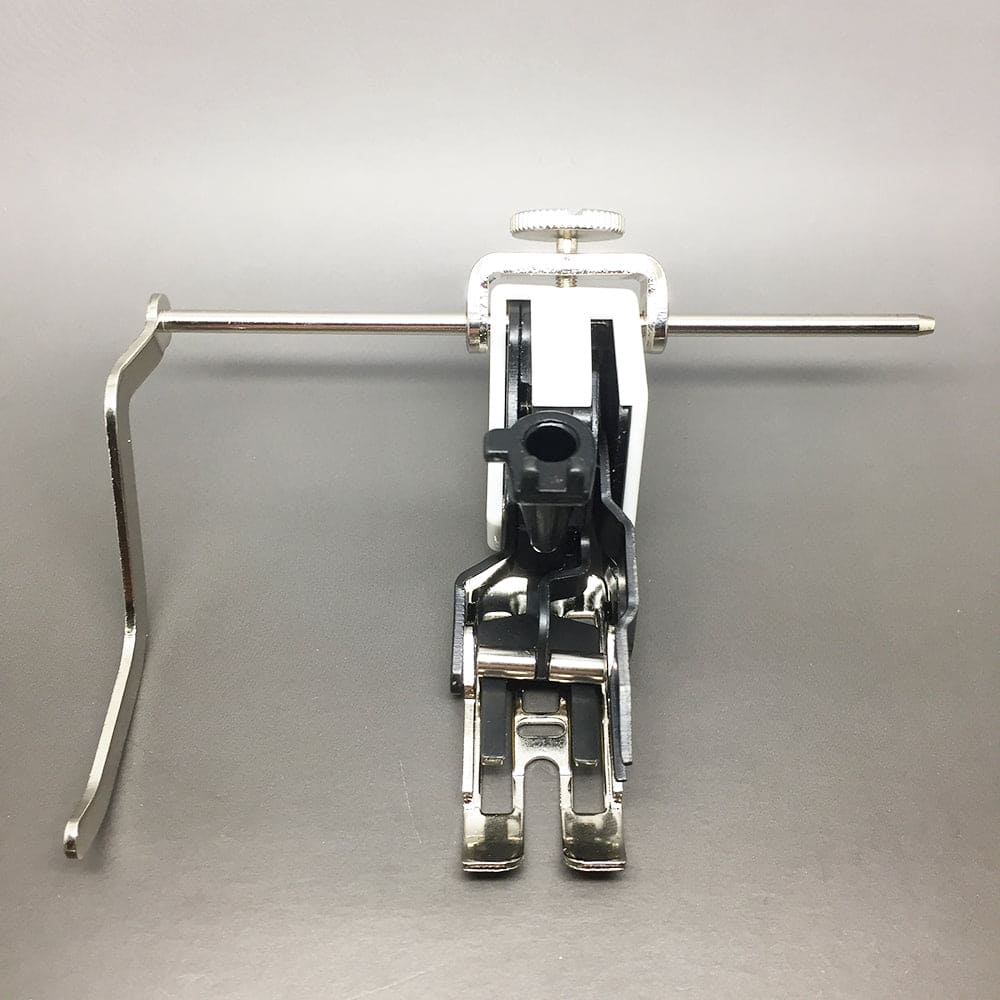
The walking foot, also known as a “dual feed foot,” is designed to work in conjunction with your sewing machine’s feed dogs. Unlike the traditional presser foot, which merely holds fabric in place, the walking foot actively grips and moves the fabric layers through the machine. This unique mechanism allows for a smoother, more controlled sewing experience, especially when dealing with multiple layers of fabric or slippery materials.
At a first glance, the walking foot may appear to be a simplistic attachment, yet its complex functionality belies this initial impression. Its toothed design mimics the feed dogs below, ensuring that both the upper and lower layers of fabric move synchronously during stitching. This synchronisation is critical, as it prevents puckering, shifting, and distortion of materials, thereby challenging the preconceptions surrounding precision sewing.
When to Use a Walking Foot
—
The question of when to employ the walking foot is not merely a technical consideration but an exploration of the artistic potential it unlocks. Here are key scenarios where its use is not only beneficial but transformative:
1. Quilting
For quilters, the walking foot is an invaluable ally. When working with multiple layers of fabric, such as batting sandwiched between quilt tops and backs, the walking foot ensures uniform tension across all layers. The result? Neatly aligned stitches and a polished finish that elevates your quilt to a professional standard. This tool becomes a necessity when tackling intricate designs or larger quilts, where managing layers can prove challenging.
2. Sewing Knits and Stretch Fabrics
Knits and stretchy materials tend to shift and stretch during sewing, causing seams to become distorted. The walking foot, with its dual feed mechanism, helps maintain the integrity of the fabric while sewing, thus eliminating the frustration of wonky seams. By keeping fabric layers aligned, this foot allows for clean, precise stitches—perfect for T-shirts, leggings, and other fitted garments.
3. Working with Delicate Fabrics
Silks, satins, and other delicate textiles often require gentle handling. The walking foot’s ability to grip fabric without excessive pressure means that you can sew these materials without fear of damaging them. This feature makes the walking foot not just a luxury but a necessity for ambitious sewists seeking to expand their fabric repertoire.
4. Aligning Patterns
If your project involves matching patterns, such as stripes or plaids, the walking foot becomes essential. Its ability to keep fabric layers aligned ensures that your patterns match seamlessly, augmenting the overall aesthetic of your project. In this scenario, precision is vital; the walking foot provides the reliability needed to keep everything in check.
5. Reattaching or Resewing Existing Garments
Whether you’re replacing zippers or reinforcing seams, the walking foot can breathe new life into old garments. Its capability to manage multiple layers makes it ideal for working on areas that have bulk, such as waistband reinforcements or hems. With the walking foot, you can be assured of a neat, professional-looking repair or alteration.
Advantages of Using a Walking Foot
The advantages of employing a walking foot extend beyond mere convenience. Here are some of the most notable benefits:
1. Reduced Puckering
The most significant issue many sewists face is puckering, particularly when working with multiple layers. The walking foot’s synced feed action almost entirely eliminates puckering, ensuring that your seams showcase a flawless finish. This professional touch will profoundly enhance the longevity and quality of your projects.
2. Greater Control
Control is paramount in sewing. A walking foot provides the necessary assistance for slow, deliberate stitching. Smooth fabric handling enables more complex sewing techniques, such as curves or corners, without the anxiety of misalignment.
3. Enhanced Fabric Compatibility
Due to its versatile design, the walking foot is compatible with an impressive range of materials. From heavy canvas to airy chiffon, the walking foot adapts, making it a fundamental addition to any sewing toolbox.
Conclusion
The walking foot is much more than an attachment; it is a gateway to improved mastery in the art of sewing. It challenges the very notion of what precision and control can be achieved, forever shifting the perspective of both amateur and professional sewists alike. Through its use, you can unlock newfound possibilities, from perfect quilting to the seamless sewing of delicate fabrics.
Incorporating the walking foot into your sewing routine not only amplifies efficiency but also cultivates a deeper relationship with fabric and design. As you embark on your sewing journey, consider the walking foot not just as a functional tool, but as a companion that enhances your creative expression. The next time you reach for your sewing machine, embrace the potential that the walking foot brings, and watch your projects transform into works of art.
FAQ
What is a walking foot used for?
It feeds multiple fabric layers evenly through a sewing machine, preventing puckering and shifting.
Can I use a walking foot on any sewing machine?
Compatibility varies; check your sewing machine's manual or manufacturer for guidance.
How does it improve quilting?
It ensures uniform tension and alignment of all layers, providing neat, professional-quality stitches.
Is a walking foot necessary for sewing stretch fabrics?
Yes, it helps maintain fabric integrity by preventing distortion during stitching.
Leave a Reply