Short Answer
Have you ever dreamt of a verdant oasis on your decking? The allure of artificial grass can transform your outdoor space into a lush haven, but installing it requires careful consideration, particularly regarding drainage. In this guide, we explore the intricate process of installing artificial grass on decking while addressing the essential requirements for effective drainage.
Understanding Artificial Grass
Artificial grass has evolved far beyond the plastic green carpets of yore. Today’s options replicate the appearance of natural turf with astonishing realism. Composed of synthetic fibres, it typically features a backing made of latex or polyurethane that provides resilience and stability. However, while the aesthetic appeal is significant, the implications of installation on existing decking require thorough examination. Are you prepared to navigate the complexities of this seemingly straightforward endeavour?
Assessing Your Decking Structure
Before launching into installation, assessing the existing structure of your decking is paramount. Decking often comprises various materials—wood, composite, or even concrete—and each presents unique challenges. Ensure your decking is level, structurally sound, and devoid of protruding nails or screws. A smooth, even surface is critical, for it lays the groundwork for your future plush paradise.
A key consideration is whether your decking allows for adequate water drainage. If water pools on your surface, it can lead to unsightly mould and mildew, not to mention potential degradation of your decking’s structure over time. A quick assessment can save you significant hassle in the long run. How does your decking stand up to rain, and what changes might be necessary?
Choosing the Right Artificial Grass
With your decking’s integrity assessed, the next step is to choose the appropriate type of artificial grass. Various factors come into play, such as pile height, fibre composition, and colour. Opt for a product that boasts a lower pile height for decking applications, as it minimizes the risk of water pooling. Additionally, select grass that mimics the natural variance of real grass, with varied tones and textures.
When selecting your artificial grass, consider its intended use. Are you envisioning a tranquil lounging area or a vibrant play space for children? Each requirement may guide your choice differently, demanding careful deliberation.
Preparing Your Decking Surface
Preparation of the decking surface is a crucial phase that cannot be overlooked. Clean and inspect your deck, ensuring it’s free from dirt, debris, or any remnants of faded paint. A thorough clean helps to maximise adhesion when laying down the grass.
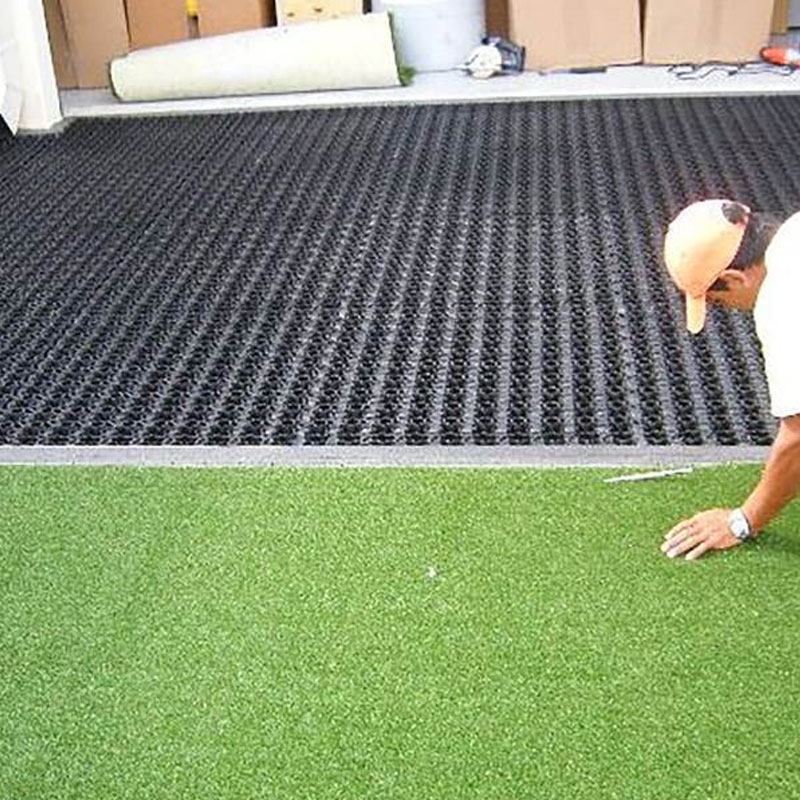
In many cases, installing a layer of drainage mat or similar material atop the decking can vastly improve water management. These mats, often comprising perforated plastic, facilitate rainwater dispersal while providing a buffer between the deck and the artificial grass. Wouldn’t it be wonderful to ensure that your artificial turf remains not only visually appealing but also functional?
Installation Process
Once preparations are complete and chosen materials gathered, it’s time to commence the installation. Begin by laying out your artificial grass, allowing it to acclimatise to the surrounding temperature for a few hours. This step prevents potential warping during and after installation.
Next, trim the grass to fit snugly against edges and corners. It’s imperative to avoid gaps, as these can become breeding grounds for pests or water pooling. Join multiple pieces of grass using adhesive tape designed for outdoor use, ensuring robust connections that withstand the elements.
Securing the grass to your decking is fundamentally important. Utilise a strong adhesive suitable for outdoor applications, applying it generously to the decking surface prior to laying down the grass. Weigh down the grass with heavy items temporarily to promote adhesion as it dries. Regular checks after installation will help maintain its integrity as time goes on.
Drainage Considerations
Drainage is perhaps the most pivotal aspect of installing artificial grass on decking. Without sufficient drainage solutions, the very beauty you seek to create could swiftly devolve into a soggy pit. Firstly, ensure your decking is designed with appropriate slope angles to direct water away from the decking area. You may consider integrating a perforated drainage system to facilitate water movement further.
Products specifically engineered for additional drainage, such as infill solutions, can also be employed. These materials, often made from recycled rubber or sand, fill the gaps between grass blades and promote drainage while helping to retain the upright position of the fibres.
Maintenance of Your Artificial Grass Decking
Once installed, your artificial grass can bring enduring joy with minimal upkeep. However, routine maintenance is essential for long-term satisfaction. Regular brushing ensures the grass fibres remain upright and vibrant, while periodic rinsing can assist in preventing dirt accumulation. Always keep an eye on drainage points for blockages, particularly in autumn when leaves and debris are prevalent. Wouldn’t you agree that maintaining this refreshing space enriches your outdoor experience?
Conclusion
Transforming your decking with artificial grass can revolutionize your outdoor space. By taking meticulous steps—evaluating your existing structure, selecting appropriate materials, ensuring proper installation, and paying diligent attention to drainage—you can create a stunning green sanctuary. In this way, your decking will not only enhance the aesthetics of your home but also offer a versatile environment for relaxation and enjoyment.
FAQ
What materials do I need for installing artificial grass on decking?
You’ll need artificial grass, an adhesive suitable for outdoor use, a drainage mat, and tools for cleaning and cutting.
How do I ensure proper drainage when installing artificial grass on decking?
Ensure your decking has a slope to direct water away, and consider using a perforated drainage system and infill materials to promote drainage.

Leave a Reply