Short Answer
Sash windows exude an unmistakable charm and quintessential British elegance, captivating both homeowners and architectural enthusiasts alike. Yet, as alluring as they may be, safety considerations should not be overlooked. This is where window restrictors for sash windows come into play. These devices serve a critical function in bolstering safety, particularly in homes with children or pets. This article will delve into the importance of window restrictors, the various types available, and provide a comprehensive installation guide.
Understanding Window Restrictors
Window restrictors are mechanical devices designed to limit the opening of a window. They are chiefly employed to prevent accidental falls, particularly in multi-storey constructions. Even a seemingly small gap can pose a serious risk, especially for inquisitive young children or pets attracted to an open window. Beyond safeguarding against falls, window restrictors also contribute to enhanced security against potential intruders attempting to enter a home through an unlatched window.
The Importance of Safety
As urban living increasingly draws families into flats and apartments, the demand for safety features has surged. Residential buildings with sash windows are often grounded in historical architecture, requiring careful consideration when adding modern safety devices. The implementation of window restrictors is not simply a compliance measure; it is a proactive step towards fostering a safe living environment. Parents, guardians, and pet owners alike will find peace of mind in knowing that safety is a priority.
Diving into the Varieties of Window Restrictors
There exists an array of styles and types of window restrictors, each with unique features and functionalities. Understanding the different types can aid homeowners in choosing the most suitable option for their sash windows.
- Keyed Restrictors: These restrictors require a key to disengage, ensuring that the window cannot be opened further than the set limit without authorized access. This option is exceedingly useful in homes where controlling access is paramount.
- Lockable Restrictors: These are designed to lock the window at a maximum opening level that is typically safe. They are often easier to operate than keyed options, allowing parents rapid access in the event of an emergency.
- Adjustable Restrictors: Providing versatility, adjustable restrictors allow users to set various opening limits. This adaptability makes them ideal for windows situated in areas with varying safety considerations, granting homeowners the luxury to adapt their placement.
- Chain Restrictors: A popular choice, chain restrictors limit the distance a sash window can open by means of a chain attached between the frame and the window. Their unobtrusive design complements the aesthetics of sash windows.
Each type presents distinct advantages and disadvantages, which should be weighed carefully based on individual needs and preferences. The choice of restrictor can reflect not only safety priorities but also lifestyle choices.
Installation: A Step-by-Step Guide
Installing window restrictors on sash windows might seem a daunting task, yet with the right tools and guidance, it can be accomplished with relative ease. Below is a thorough step-by-step installation guide to foster a seamless experience:
- Gather Necessary Tools: Before embarking on the installation, ensure you have the requisite tools: a drill, screws, a screwdriver, a measuring tape, a pencil, and, if necessary, a level to guarantee an even installation.
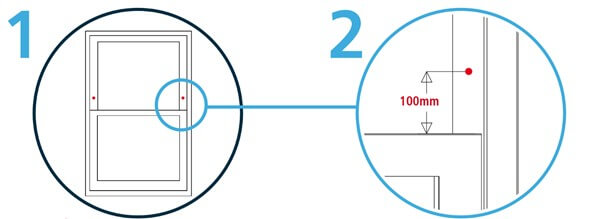
- Select the Appropriate Location: Determine where the restrictor will be mounted, ensuring it allows for safe but limited window opening. The height and accessibility are particularly crucial in this step.
- Measure and Mark: Use the measuring tape to gauge the exact position of the restrictor on both the window frame and the sash. Mark the spots for drilling with a pencil.
- Drill Holes: Carefully drill pilot holes at the marked positions. Ensure that the drill is perpendicular to the surface to maintain a straight hole.
- Attach the Restrictor: Using screws, attach the restrictor to the window frame properly. Ensure that the mechanism operates smoothly before proceeding to secure the counterpart on the sash.
- Secure the Sash Hook: Align and firmly attach the sash hook segment, confirming that it aligns perfectly with the restrictor for full functionality.
Once installed, conduct several tests to ensure functionality and security. This is a pivotal step in confirming that your installation adheres to both safety and operational standards.
Maintenance and Care
Regular maintenance of window restrictors is essential for continued safety. Periodically check for loose screws, rust, or signs of wear and tear. Lubricating moving parts and ensuring cleanliness will prolong the life of the restrictors and guarantee uninterrupted performance.
Conclusion
Window restrictors for sash windows are not merely accessories; they represent an essential layer of safety that adds to the inherent allure of these classic windows. By implementing the appropriate restrictor and performing vigilant maintenance, homeowners can relish the beauty of their sash windows without compromising on safety. Emphasising safety measures showcases an understanding of environmental needs while enhancing the charm of one’s domicile. Ultimately, adopting such measures invests in the wellbeing and security of your cherished living space.
FAQ
What are window restrictors?
Window restrictors are devices that limit the opening of a window to prevent accidental falls and enhance security.
How do I install window restrictors on sash windows?
Installation involves gathering tools, selecting a location, measuring, drilling, and attaching the restrictor properly.
What types of window restrictors are available?
Common types include keyed restrictors, lockable restrictors, adjustable restrictors, and chain restrictors, each with unique features.
Why are window restrictors important?
They enhance safety by preventing falls from open windows, particularly in homes with children or pets.

Leave a Reply