Short Answer
In the realm of employment and volunteering, particularly in sectors involving children or vulnerable adults, the necessity for a Disclosure and Barring Service (DBS) check has garnered significant attention. Understanding how long a DBS check remains valid is crucial for both employers and employees alike, as it holds implications for integrity and safety in a workplace. This article delves deep into the nuances of DBS check validity, renewal rules, and the overarching importance of this essential screening process.
First and foremost, it is vital to elucidate what a DBS check entails. A DBS check, previously known as a Criminal Records Bureau (CRB) check, is a process that enables employers to ascertain whether an individual has a criminal record that may preclude them from certain roles, particularly those with access to vulnerable individuals. There are various levels of checks: Basic, Standard, and Enhanced, each providing a different depth of information regarding a person’s criminal history. The type required often depends on the nature of the job, portraying the critical intersection between employment and personal safety.
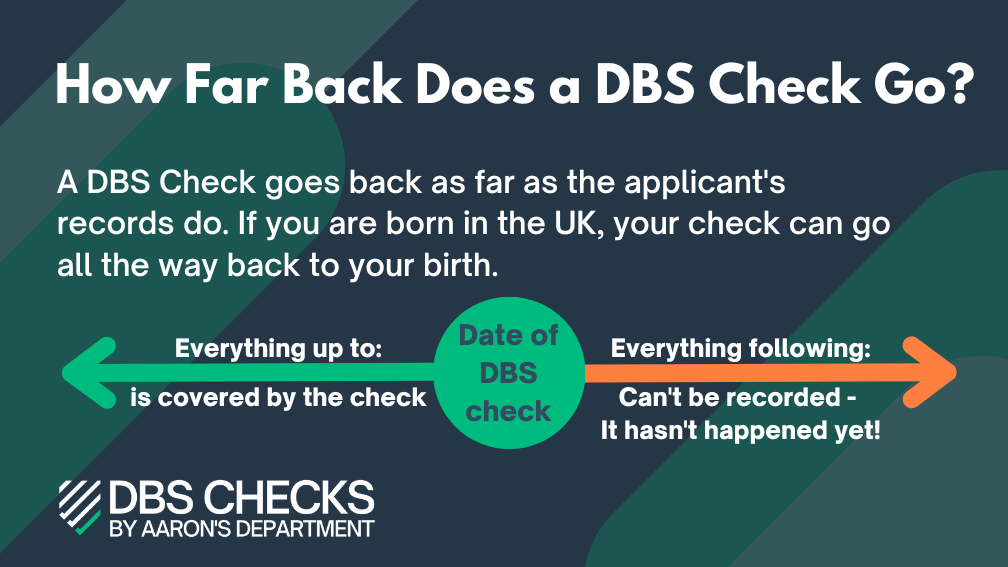
When considering the lifespan of a DBS check, the general consensus is that a DBS certificate does not have an explicit expiration date. Instead, it reflects an individual’s criminal history at the time of its issuance. However, this does not suggest that it remains perpetually relevant. A common observation among employers is that checks may quickly become outdated especially in sectors where trust and safety are paramount.
Typically, many employers adopt a policy where they request that DBS checks be renewed every three years. This timeframe is largely regarded as a best practice, although it is not mandated by law. The rationale behind this interval is to ensure that any new convictions or changes in a candidate’s personal circumstances can be promptly identified. In sectors that are particularly sensitive, such as education and healthcare, employers may opt for more frequent renewals to uphold stringent safeguarding protocols.
Another aspect to consider is the notion of “portable DBS checks.” This innovative feature allows individuals who have recently completed a DBS check to take their certificate with them to new employers. However, it should be noted that this portability does not replace the need for employers to validate that the check is still relevant and meets their specific requirements. Employers are encouraged to conduct their own assessments, regardless of the portability feature, to ascertain if the certification is updated accordingly.
The implications of failing to renew a DBS check timely may extend beyond mere compliance; they can affect an individual’s employment status. For instance, in the event of a conviction received post-issuance of a DBS certificate, if an employer becomes aware and the individual has not disclosed this information, they might find themselves in breach of trust, leading to dismissal or legal ramifications. Therefore, it’s in the best interest of both parties to ensure that checks are current.
Furthermore, while the DBS check itself may not have a fixed expiry date, various organizations may have specific policies that dictate different renewal periods based on their risk assessments. This extra layer of complexity often leads to confusion surrounding which timeframes to observe. Some sectors might impose even stricter protocols; for instance, frequent renewals may be necessary in the Republic of Ireland, enforcing an annual review for those working directly with children.
Employers often find themselves in a quandary about whether to conduct repeat checks on existing employees. The law does not require it for those already in roles; nonetheless, a proactive approach is recommended. Maintaining an updated DBS check can represent an organisation’s commitment to safeguarding vulnerable populations. Companies that operate under a “duty of care”—the legal or moral obligation to safeguard those entrusted to them—may see regular checks as a vital step in ensuring compliance with industry standards.
Additionally, the method for submitting a DBS check request reveals its practicality in the modern context. Gone are the days when paper forms were the only option. Today, online channels streamline the process for both employers and applicants, thereby enhancing efficiency. The use of online platforms allows for real-time tracking, which can further alleviate the delays typically associated with manual submissions. With technology evolving rapidly, staying abreast of new methods of conducting DBS checks is essential for those in HR and hiring positions.
Finally, it is important to reflect on the socio-economic factors that drive the fascination with DBS checks. The intricacies surrounding criminal history disclosure are not just legal obligations; they reflect a society keen on protecting its vulnerable members from harm. The emphasis on transparency and accountability within professional settings serves to bolster trust in public services and community functions. Moreover, it raises critical discussions about rehabilitation, the justice system, and how individuals with past convictions reintegrate into society.
In conclusion, while a DBS check does not possess a fixed validity period, the recommendation for routine renewals—typically every three years—ensures that the information remains relevant and accurate. The various protocols and nuances of the process underline its significant role in safeguarding communities, reinforcing the point that to maintain integrity—both for employers and employees alike—staying informed about renewal rules is imperative. Ultimately, a comprehensive understanding of the DBS check process articulates a broader narrative regarding trust, safety, and shared responsibility within society.
FAQ
Does a DBS check have an official expiration date?
No, a DBS check does not have a fixed expiration date, but employers often request renewals every three years as a best practice.
What are the different levels of DBS checks?
There are three levels: Basic, Standard, and Enhanced, each providing varying degrees of criminal record information depending on the role requirements.
Can a DBS check be transferred between employers?
DBS certificates can be portable in some cases, but employers must still verify their relevance and suitability for their specific role.
Is it legally required to renew DBS checks for existing employees?
No, the law does not mandate renewals for current employees, but regular updates are recommended to maintain safeguarding standards.
How can one apply for or renew a DBS check?
Applications and renewals can be submitted online through official government or authorized platforms, enabling quicker processing and tracking.


Leave a Reply