Short Answer
Concrete is a ubiquitous material in modern construction, revered for its durability and versatility. However, the seemingly straightforward process of mixing cement, water, and aggregates harbours complexities that are often overlooked. Among these intricacies, the concepts of drying time, setting time, and curing time emerge as crucial determinants of concrete performance. Understanding these timelines is essential not only for construction professionals but also for enthusiasts and industry observers, as it unravels the enigmatic nature of this sturdy substance. This article delves into the definitions and distinctions of drying time, setting time, and curing time, offering insights into their critical roles in concrete setting.
Defining Drying Time, Setting Time, and Curing Time
To fully appreciate the nuances of concrete hardening, it’s paramount to define three fundamental yet distinctive terms: drying time, setting time, and curing time. Each plays a pivotal role in the lifecycle of a concrete structure and impacts its ultimate strength and longevity.
1. Setting Time
Setting time refers to the period it takes for freshly mixed concrete to transition from a fluid state to one where it can support weight without deforming. This phenomenon occurs in two stages: the initial set and the final set. The initial set occurs roughly within a few hours of mixing, marking the point at which the concrete begins to stiffen. The final set, which can take several additional hours, marks the stage where the concrete has become hard enough to allow for further manipulation, such as finishing or formwork removal.
Fascination engenders itself here, as the factors influencing setting time extend beyond merely the water-to-cement ratio. Temperature, humidity, and the specific type of cement used can all variably alter these timelines. For instance, in hotter climates, setting may occur more quickly, potentially leading to complications such as cracking.
2. Curing Time
Curing time, often conflated with setting time, refers to a more extended period—usually several days to weeks—wherein concrete continues to gain strength and durability. Curing is a critical process, as it involves maintaining adequate moisture and temperature conditions to foster the hydration of cement particles within the mix. This hydration process is essential; it forms the chemical bonds that contribute to the concrete’s final strength.
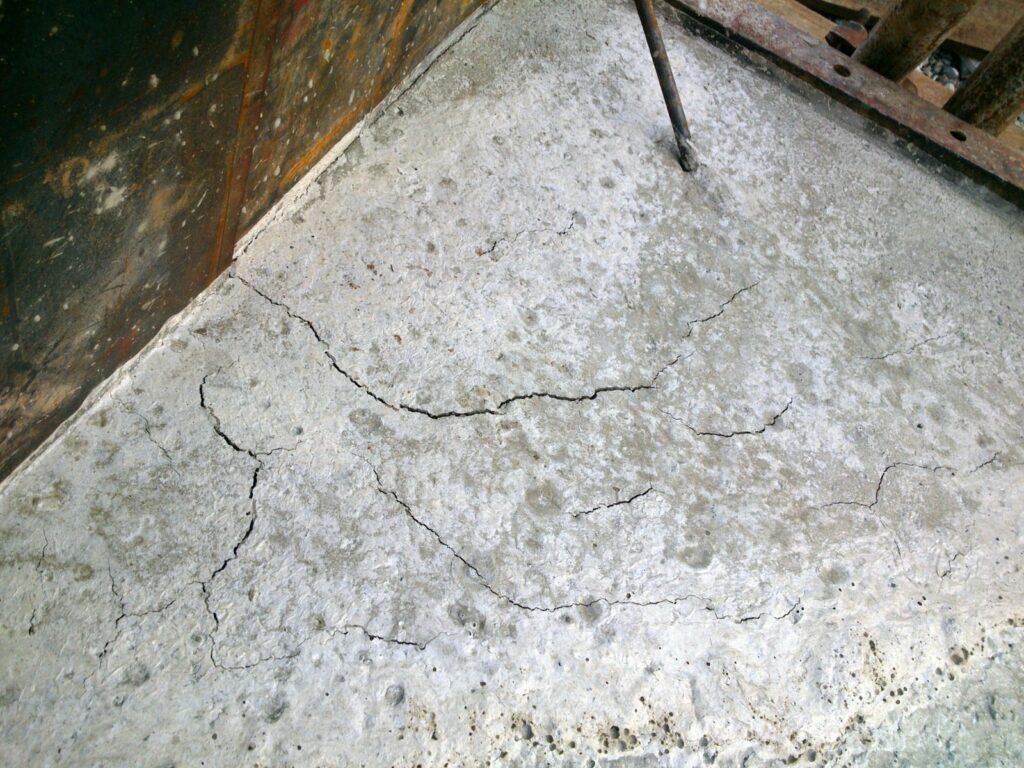
During curing, concrete slabs require protection from rapid evaporation and extreme temperatures, which can thwart the hydration process. Failure to properly cure concrete can result in compromised structural integrity, leading to unsightly cracks and diminished lifespan. This aspect underscores deep-rooted relevancies within the realm of civil engineering, lending credence to the meticulous nature of construction practices.
3. Drying Time
While setting and curing primarily focus on the hardening and strength development of concrete, drying time specifically addresses the removal of excess moisture from the surface. Drying time is often confused with curing time; however, it represents a naturally occurring evaporation process that can influence final aesthetics. Many factors impact drying time, including atmospheric conditions, air circulation, and the thickness of the concrete layer.
Research indicates that a concrete slab may feel dry to the touch long before it has fully cured, raising concerns for aesthetic applications such as painting or overlaying. Understanding this nuance can prevent premature interventions that could lead to catastrophic results.
The Interplay of Setting and Curing: Why Timing Matters
The relationship between setting time, curing time, and drying time becomes increasingly apparent as one contemplates the complexity of concrete development. Faster setting might be desired in emergency construction situations; however, this could adversely affect the curing process. A hurried approach may lead to insufficient strength, which may not manifest until substantial loads are applied to the structure.
Moreover, maintaining an appropriate balance is vital. Most construction professionals recommend a minimum curing period of seven days for standard concrete mixtures, while more advanced materials may necessitate even longer periods. During these phases, extra care must be taken to ensure that water is available and the concrete is protected from the elements. It’s crucial to understand that each concrete mix behaves differently due to its unique composition. Recognising this variability equips builders with the knowledge to optimise outcomes.
Key Factors Influencing Drying and Setting Time
Numerous variables influence the drying and setting times of concrete. Temperature is paramount; increased heat tends to accelerate both the setting and drying processes. Conversely, colder conditions can significantly prolong them. Similarly, humidity levels can alter the basic evaporation rates; high humidity can impede drying, while low humidity tends to expedite it.
The water-to-cement ratio is another crucial factor to consider. Lower ratios typically result in higher strength and reduced drying time. However, insufficient water can hinder the hydration process, affecting the overall quality of the concrete. Another aspect to consider is the use of accelerators and retarders—additives that can artificially manipulate setting times for specific site conditions.
In conclusion, the complexities surrounding the drying, setting, and curing times of concrete extend far beyond mere inconvenience during construction. They unveil intriguing revelations about the material’s properties and the intricate art of building. The proficiency in managing these timelines marks the distinction between robust structures and those destined for failure. A nuanced understanding of these concepts stands as a testament to the evolution of construction methodologies, revealing a landscape of both challenges and marvels within the civil engineering domain.
FAQ
What is the difference between setting time and curing time?
Setting time refers to the period it takes for concrete to transition from a fluid to a solid state, while curing time is the extended period required for concrete to gain strength and durability through hydration.
How does temperature affect drying and setting times?
Higher temperatures tend to accelerate both drying and setting times, while colder conditions can prolong them.
Why is proper curing important for concrete?
Proper curing is critical as it ensures adequate hydration of cement particles, which is essential for achieving the concrete’s final strength and preventing cracks.




Leave a Reply