Short Answer
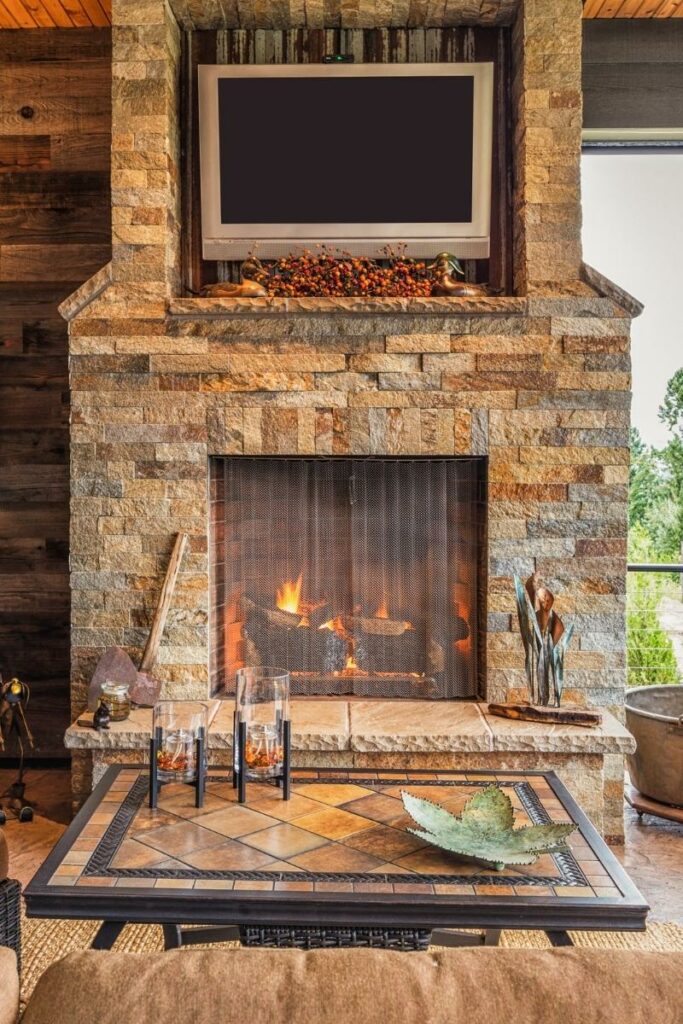
The allure of a crackling log burner, casting flickering shadows upon a room, evokes feelings of comfort and warmth that beckon one to relax and unwind. Yet, within this inviting homeliness lies a conundrum that many grapple with: can one safely mount a television above such an enchanting hearth? The juxtaposition of a modern gadget against the rustic charm of a wood-burning stove presents a compelling visual tableau, but this aesthetic appeal must be weighed against prudent safety considerations.
To embark on this journey, it is crucial to comprehend the nature of heat, as well as the inherent vulnerabilities of electronic devices. Heat is the unseen adversary in this scenario—a silent, pervasive force that can warp the very essence of what we deem valuable. The temperatures generated by log burners can vary significantly, reaching levels that could spell disaster for a television mounted above. Understanding the interaction between heat and electronics equips one with the knowledge to make informed decisions.
At the heart of the matter lies the question of temperature safety thresholds. Most televisions are engineered to operate comfortably at or below 30 degrees Celsius (86 degrees Fahrenheit). However, the heat radiating from a log burner can create zones of warmth that far exceed this, endangering any device perched too close. It is paramount to allow for adequate clearance—an invisible but essential buffer that can make the difference between celestial viewing experiences and catastrophic failure.
When contemplating the installation of a television above a log burner, the dimensions of the appliance should also be a focal point. The trajectory of heat can spread outward, creating a cone of warmth that extends well beyond the immediate vicinity of the burner. Understanding the size and layout of your log burner will provide essential insight into how much space you should allocate. Typically, a minimum distance of 1.2 metres (4 feet) from the top of the burner surface to the bottom of the television is recommended, though this can vary depending on the design and heat output of the specific log burner.
As we delve deeper into the intricacies of mounting a television in such an environment, consider the use of protective measures. Heat shields and thermal barriers can serve as stalwart sentinels, deflecting radiant heat away from electronic devices. These shields, made from non-combustible materials, create a protective screen that not only safeguards the television but also contributes a dash of elegance to the installation. In this delicate dance between heat and technology, these barriers emerge as pragmatic heroes of the narrative.
Moreover, one should contemplate the installation’s overall aesthetic appeal. A well-situated television framed by the rustic charm of a log burner can transform a room into a captivating focal point, seamlessly merging modernity and tradition. The interplay of wood tones, flickering flames, and the sharp lines of a sleek television creates an ambiance where comfort meets style—however, this synergy hinges precariously on proper safety measures.
Another salient factor is the broader implications of ventilation. Log burners require optimal airflow to function efficiently and maintain safety levels. Ensuring that your installation does not impede ventilation is paramount. A well-ventilated space not only prolongs the life of the log burner but also, by extension, the devices that share its space. Ensuring that there are no obstructions to the airflow will help maintain an ambient environment that is conducive to both fire and function.
It is also worth noting the significance of material selection when deciding how to mount the television. The installation bracket, the wall material, and even the type of cabling can all contribute to the safety of the configuration. Opting for heat-resistant materials can mitigate potential risks, ensuring that the mounting solution does not succumb to the ravaging effects of prolonged heat exposure.
For the conscientious homeowner, regular monitoring and maintenance of both the television and the log burner cannot be overlooked. Periodically assessing the temperature around the television while the burner is in use will provide insights into the efficacy of the protective measures employed. Additionally, routine inspections can spot any signs of distress or deterioration in either device, allowing for timely interventions.
As the evening descends, the fusion of the log burner’s warmth and the television’s glowing screen can create a perfect setting for family gatherings or solitary relaxation. Reveling in this harmonious amalgamation hinges on embracing both the delights and the responsibilities it entails. Thus, within this narrative of comfort, the key lies in vigilance, knowledge, and an unwavering commitment to safety.
In summation, placing a television above a log burner invites a complex interplay of design, safety, and functionality. It is an enticing proposition, rich with potential for aesthetic enhancement while also steeped in the need for caution. By understanding the dynamics of heat, utilizing protective measures, ensuring proper ventilation, and conducting regular maintenance, one can bask in the beauty of this arrangement—relishing both the flickering flames and the flickering screen, each illuminating the other in a splendid tableau of modern living.
FAQ
What is the safe distance to mount a TV above a log burner?
It is recommended to maintain a minimum distance of 1.2 meters (4 feet) from the top of the burner surface to the bottom of the television.
Can heat shields protect my TV from a log burner?
Yes, heat shields made from non-combustible materials can help deflect radiant heat away from the television.
How can I ensure proper ventilation when mounting a TV above a log burner?
Make sure that the installation does not obstruct airflow around the log burner, which is crucial for safety and efficiency.
FAQ
What is the safe distance to mount a TV above a log burner?
It is recommended to maintain a minimum distance of 1.2 meters (4 feet) from the top of the burner surface to the bottom of the television.
Can heat shields protect my TV from a log burner?
Yes, heat shields made from non-combustible materials can help deflect radiant heat away from the television.
How can I ensure proper ventilation when mounting a TV above a log burner?
Make sure that the installation does not obstruct airflow around the log burner, which is crucial for safety and efficiency.



Leave a Reply